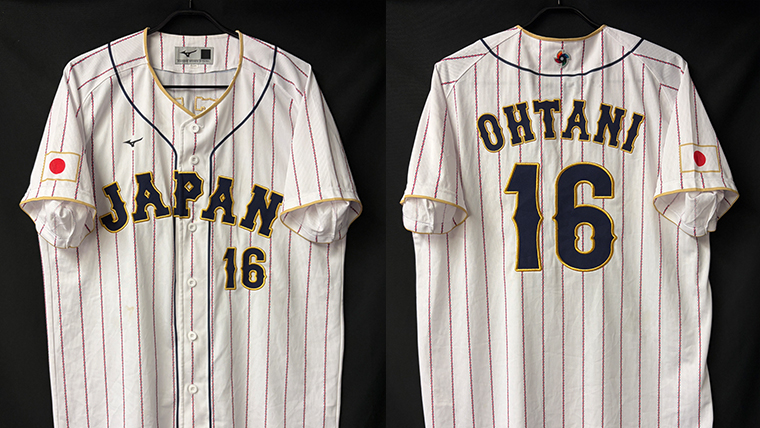
If you are an overseas football fan visiting Japan, you may notice something surprising.
It is the enormous presence of baseball in Japanese society.
Professional baseball is hugely popular in Japan.
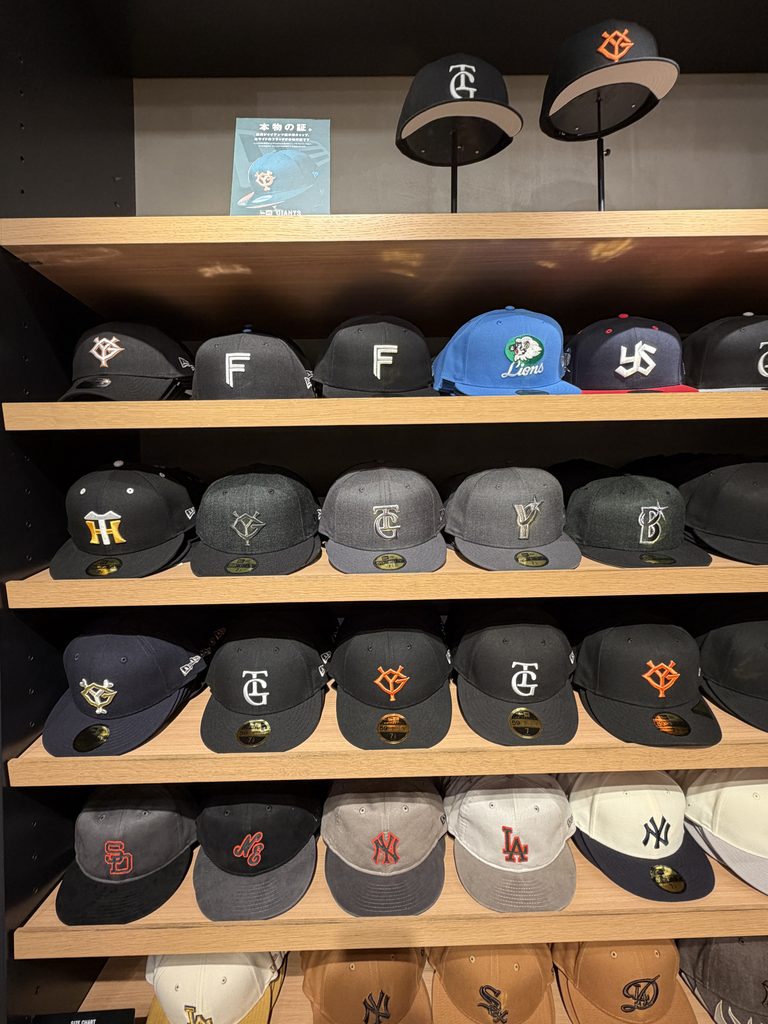
You will often see baseball in the news and on television, team merchandise can be found throughout cities, and the performances of individual players can make headlines even on days when there are no games.
For overseas football fans, Japanese baseball may seem surprisingly prominent.
So why has baseball become so deeply rooted in Japanese society?
And does this mean that the J.League and football are less popular in Japan?
The reality is more complicated.
Professional baseball and the J.League have grown their fan bases in different ways and developed their own distinct sports cultures.
How Big Is Professional Baseball in Japan?
Let’s start by looking at the current scale of the two sports.
In 2025, Nippon Professional Baseball (NPB) played 858 regular-season games, attracting approximately 27.04 million spectators, with an average attendance of 31,515 per game.
By comparison, total J.League attendance across J1, J2, and J3 in 2025 was 13,503,210.
Looking simply at the numbers, professional baseball currently has a larger spectator market in Japan.
However, the numbers themselves are not the whole story.
What is more interesting is understanding why this huge market has been sustained for so many years.
A Unique Part of Everyday Life: “There Is Baseball Somewhere Every Day”
One of the biggest characteristics of professional baseball is the sheer number of games.
NPB played 858 regular-season games in 2025.
That means there are a huge number of professional baseball games taking place throughout the year.
In the J1 League, each club plays far fewer league matches over the course of a season.
As a result, there is a familiar feeling in Japan that “there is baseball being played somewhere every day.”
You can watch professional baseball on a weekday evening.
You can come home from work or school, turn on the television, and find a game already underway.
You can also go to a stadium at the weekend.
During the baseball season, fans can follow statistics such as batting average, home runs, RBIs, wins, ERA, and strikeouts almost every day.
This sense of everyday familiarity is important when trying to understand the popularity of baseball.
While football league matches are often seen as a major weekend event, professional baseball has become part of everyday life.
Baseball Has Become Part of Japanese Popular Culture
Another important factor is history.
Professional baseball has a long history in Japan.
For decades, baseball has appeared in everyday Japanese life through television broadcasts, newspapers, sports news, and other media.
As a result, you do not have to be a dedicated baseball fan to have some familiarity with the sport.
There are many people who might say:
“I don’t watch every game, but I know what happened in yesterday’s game.”
This may be difficult for some overseas football fans to imagine.
Even Japanese people who are not particularly interested in baseball may know the names of famous players.
Long-established teams such as the Yomiuri Giants, Hanshin Tigers, and Hiroshima Carp are also widely recognized across generations and throughout their respective regions.
In other words, baseball in Japan is not simply a sport to watch.
It has become part of everyday culture over many decades.
Star Players Are Key to Understanding Baseball’s Popularity in Japan
Another interesting factor is the influence of star players.
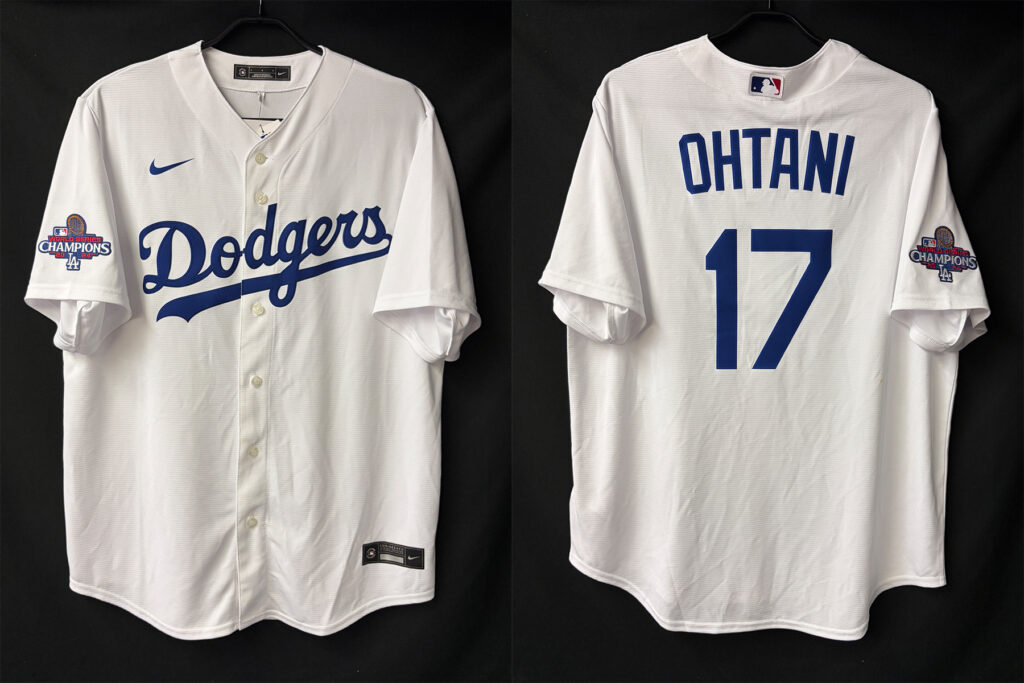
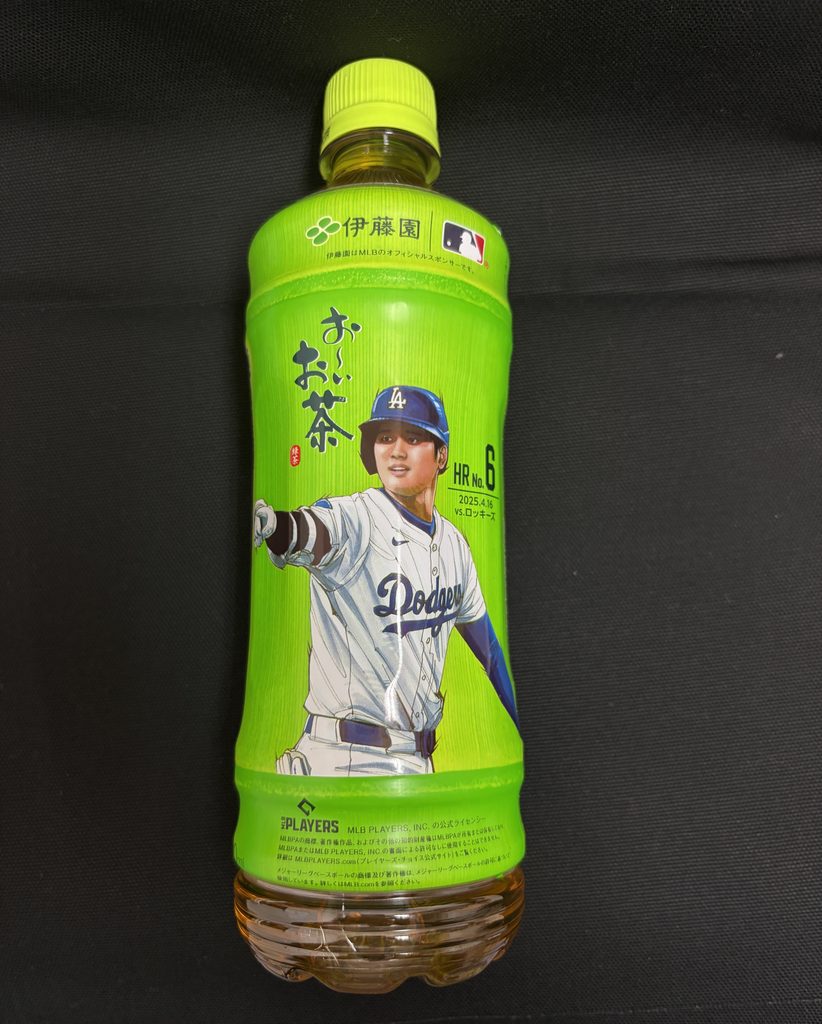
Japan has produced players such as Shigeo Nagashima, Sadaharu Oh, Ichiro, Hideki Matsui, and, more recently, Shohei Ohtani, who have become famous far beyond the world of baseball.
Shohei Ohtani is perhaps the clearest example today.
What is particularly interesting is that there are two possible ways to become interested in the sport:
“I like baseball, so I follow Ohtani.”
But also:
“I like Ohtani, so I started following baseball.”
Even if someone does not know the rules of baseball in detail, they can still be interested in news such as:
“Ohtani hit a home run.”
“Ohtani had another outstanding performance as both a pitcher and hitter.”
Baseball also has an advantage when it comes to statistics.
Home runs, batting average, RBIs, wins, ERA, and strikeouts make it relatively easy to understand and compare individual performances.
Star players and easy-to-follow statistics are two more factors that have helped baseball reach a broad audience in Japan.
Which Sports Players Are Popular in Japan?
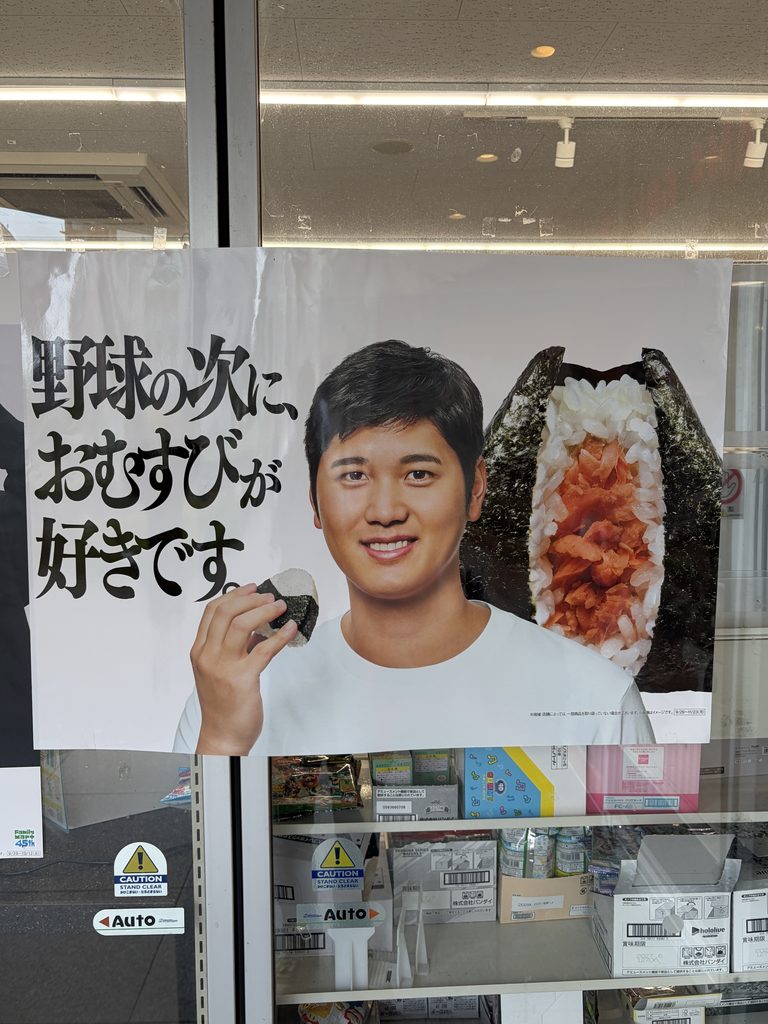
Surveys of people’s favorite sports players also show the strong presence of baseball players in Japan.
According to the Sasakawa Sports Foundation’s “Favorite Sports Players” survey, here are the top three athletes in each survey year:
2016
1st — Ichiro (Baseball): 16.4%
2nd — Kei Nishikori (Tennis): 12.8%
3rd — Mao Asada (Figure Skating): 6.5%
2018
1st — Yuzuru Hanyu (Figure Skating): 10.6%
2nd — Shohei Ohtani (Baseball): 7.7%
3rd — Ichiro (Baseball): 7.2%
2020
1st — Yuzuru Hanyu (Figure Skating): 7.8%
2nd — Ichiro (Baseball): 7.5%
3rd — Shohei Ohtani (Baseball): 5.1%
2022
1st — Shohei Ohtani (Baseball): 29.1%
2nd — Yuzuru Hanyu (Figure Skating): 5.5%
3rd — Ichiro (Baseball): 3.2%
2024
1st — Shohei Ohtani (Baseball): 41.5%
2nd — Yuki Ishikawa (Volleyball): 3.6%
3rd — Naoya Inoue (Boxing): 2.1%
Looking at these five surveys since 2016, Ichiro ranked first once, Yuzuru Hanyu twice, and Shohei Ohtani twice.
Ohtani’s 41.5% in 2024 was particularly remarkable.
This does not mean that 41.5% of Japanese people are baseball fans.
However, the fact that a single baseball player can have such a strong presence in an overall sports popularity survey is an interesting indication of the place baseball occupies in Japanese culture.

What About Football Players?
Football should not be overlooked.
In the same “Favorite Sports Players” survey, football players have also appeared high in the overall rankings in 2016, 2018, 2020, 2022, and 2024.
For example:
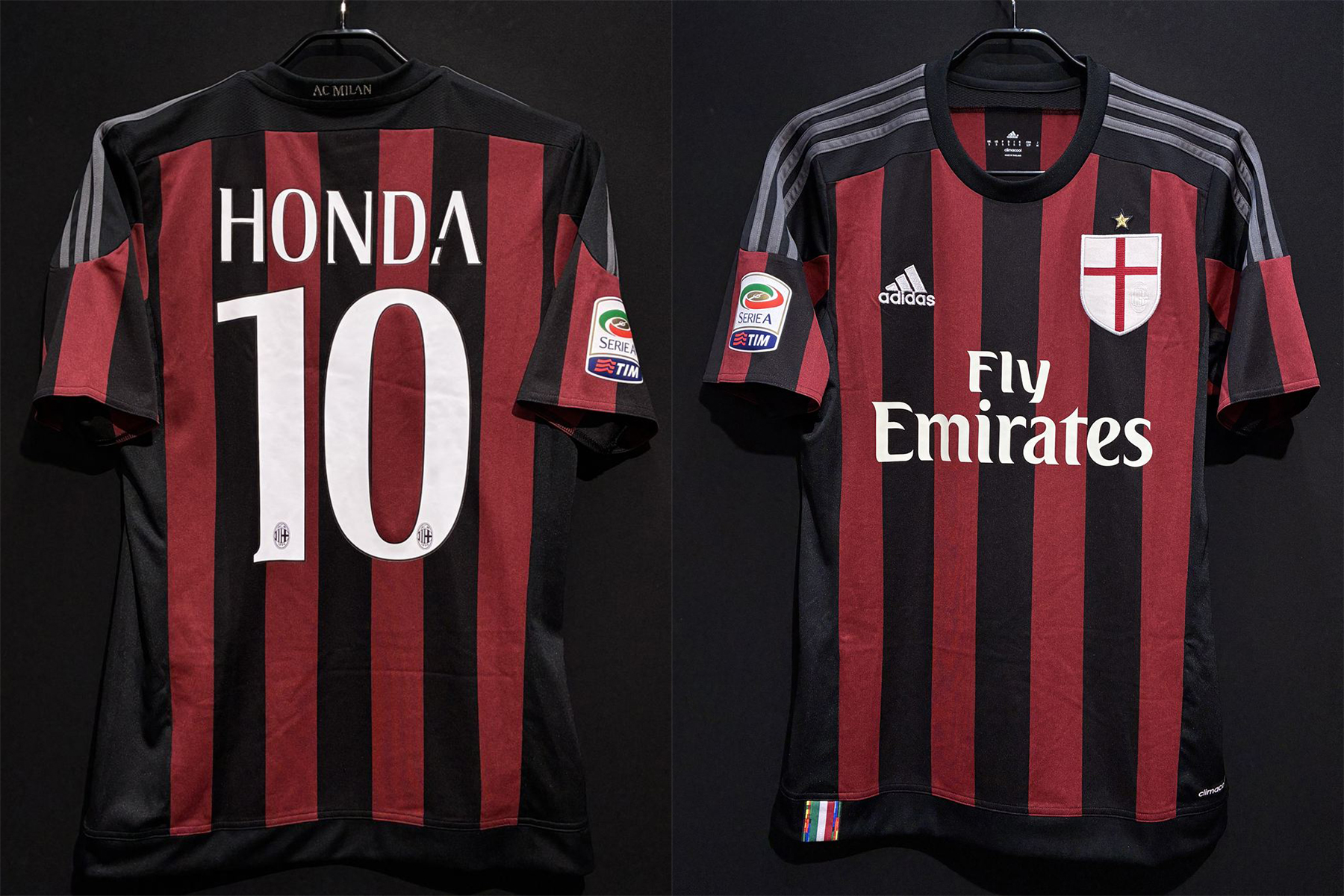
- Keisuke Honda: 10th in 2016, 6th in 2018
- Makoto Hasebe: 8th in 2018
- Lionel Messi: 10th in 2020
- Takefusa Kubo: 9th in 2024
- Kaoru Mitoma: 9th in 2024
In other words, it would be wrong to say that football is unpopular in Japan.
Japanese national team players and Japanese players performing for clubs overseas attract plenty of attention.
The important point is that baseball and football have developed slightly different paths for their star players to gain popularity.
J.League and Professional Baseball Produce Stars in Different Ways
Japanese football has produced many famous players over the years.
Kazuyoshi Miura, Hidetoshi Nakata, Shunsuke Nakamura, Keisuke Honda, and Shinji Kagawa are just some of the players who became stars of their respective generations.
However, the stages where they gained widespread attention were not limited to the J.League.
Their performances for the Japan national team and their careers with overseas clubs also played a major role in increasing their popularity.
This is one of the differences between football and professional baseball.
In baseball, a path like this is relatively common:
Become a star in the domestic league
↓
Become known throughout Japan
↓
Achieve success overseas
↓
Receive even more attention back home
In football, the path often looks more like this:
Develop in the J.League
↓
Perform for the Japan national team
↓
Move to an overseas club
↓
Become a star internationally
As a result, “a Japanese football star” does not necessarily mean “a J.League star.”
This does not mean that the J.League has a smaller following.
Rather, it shows how closely Japanese football is connected with the Japan national team and football outside Japan.
The J.League Has a Different Kind of Strength
So how has the J.League built its fan base?
One key phrase is:
“Strong local connections.”
Since its launch in 1993, the J.League has emphasized the connection between clubs and their local communities.
Professional baseball also has teams with strong regional identities, but the concept of the hometown is particularly important to the J.League.
As a result, people do not necessarily watch football simply because:
“I like the Japan national team.”
They may instead think:
“I support this club because it is my local team.”
Including J1, J2, and J3, there are professional football clubs across many parts of Japan.
Total J.League attendance in 2025 reached 13,503,210, with attendance increasing from the previous year across J1, J2, and J3.
J1 attendance was approximately 8.07 million, and average attendance exceeded 21,000 for the first time.
The J.League is therefore not simply trying to create one huge nationwide market.
Instead, it could be described as building many smaller pockets of passion around clubs in communities across Japan.
The Experience of Watching a Game Is Also Different
Baseball and football also offer different experiences at the stadium.
Baseball games are relatively long, with the action alternating between offense and defense many times.
This allows fans to spend several hours at the ballpark, eating, drinking, talking with friends and family, and enjoying the game at a relaxed pace.
Following individual player statistics is also a major part of the baseball experience.
Football, on the other hand, is largely continuous once the match begins.
There are also far fewer goals than in a typical baseball game.
That makes each goal much more significant.
In the J.League, supporters have also developed a strong culture of singing chants, waving flags, and supporting their club throughout the 90 minutes.
Of course, not every fan enjoys a match in exactly the same way.
But broadly speaking:
Baseball places a strong emphasis on enjoying the game itself, while football places a strong emphasis on supporting the club.
Understanding this difference helps explain why these two professional sports have developed such different fan cultures in Japan.
The J.League Is Also Continuing to Grow
It is important not to assume that the popularity of baseball means the J.League is unpopular.
That would be an overly simplistic view of Japanese sports culture.
In 2025, total J.League attendance reached a record high.
Average J1 attendance also exceeded 21,000 for the first time.
Furthermore, on May 3, 2025, a total of 422,001 people attended 28 J1, J2, and J3 matches held across Japan.
The J.League has clearly become an important part of the sporting lives of many people in Japan.
When comparing professional baseball and the J.League, the key question is not simply:
“Which one is more popular?”
It is also worth asking:
“In what way has each sport become popular?”
Baseball or Football? Japan Has Room for Both
Looking at Japan from overseas, you might wonder:
“Is Japan a baseball country?”
There is no doubt that professional baseball has an enormous presence in Japanese society, considering its long history, media exposure, number of games, and influential star players.
But that does not mean football has a small presence.
The two sports have simply developed different relationships with Japanese society.
Professional baseball has:
A long history
Nationwide recognition
Star players
A huge number of games
Strong connections with television and the media
The J.League, meanwhile, has:
Strong local connections
Hometowns
A sense of belonging to a club
Stadium culture
Clubs across the country
Two Ways of Understanding Japanese Sports Culture
If we had to describe the difference in one sentence, we might say:
Professional baseball has become part of everyday life across Japan.
Meanwhile:
The J.League has become part of everyday life in local communities.
Professional baseball has built a huge nationwide sports market over many decades.
The J.League has taken a different approach, strengthening the connection between clubs and their communities and creating distinctive football cultures in towns and cities across Japan.
For overseas football fans, this is one of the most interesting things to discover when visiting Japan.
You may see baseball on television, hear people talking about players in everyday conversation, or spot team advertisements at train stations. At the same time, you will find J.League clubs deeply connected to their hometowns, with supporters building their own football culture around them.
Baseball and football are both important parts of Japanese sports culture—but they have become important in different ways.
And understanding that difference offers a fascinating glimpse into how sport has become part of everyday life in Japan.