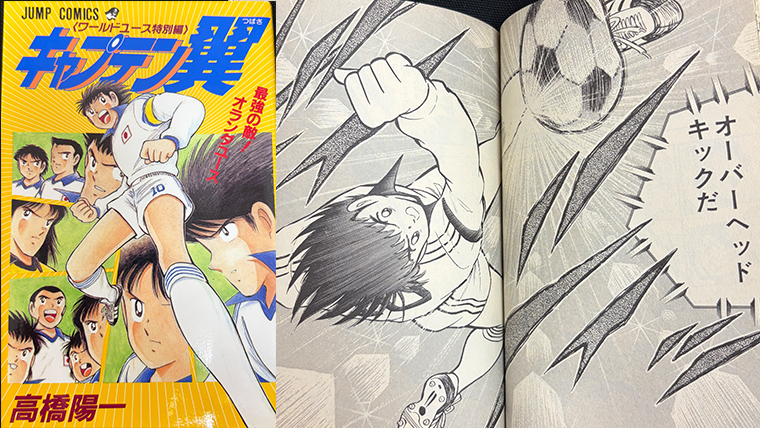
When talking about Japanese football, it is impossible to ignore Captain Tsubasa.
In the 1980s, football was not nearly as popular in Japan as it is today. It was during this period that Captain Tsubasa appeared, inspiring a generation of young football fans and changing the way Japanese people viewed the sport.
And its influence did not stop at Japan.
Captain Tsubasa was broadcast as a television anime in many countries, gaining fans across France, Italy, Spain, Latin America, and beyond.
Some of the world’s biggest football stars also grew up watching the series or have been closely associated with it.
In this article, we look at the impact Captain Tsubasa had on Japanese football and how the series came to be embraced around the world.
What Is Captain Tsubasa?
Captain Tsubasa is a football manga created by Yoichi Takahashi.
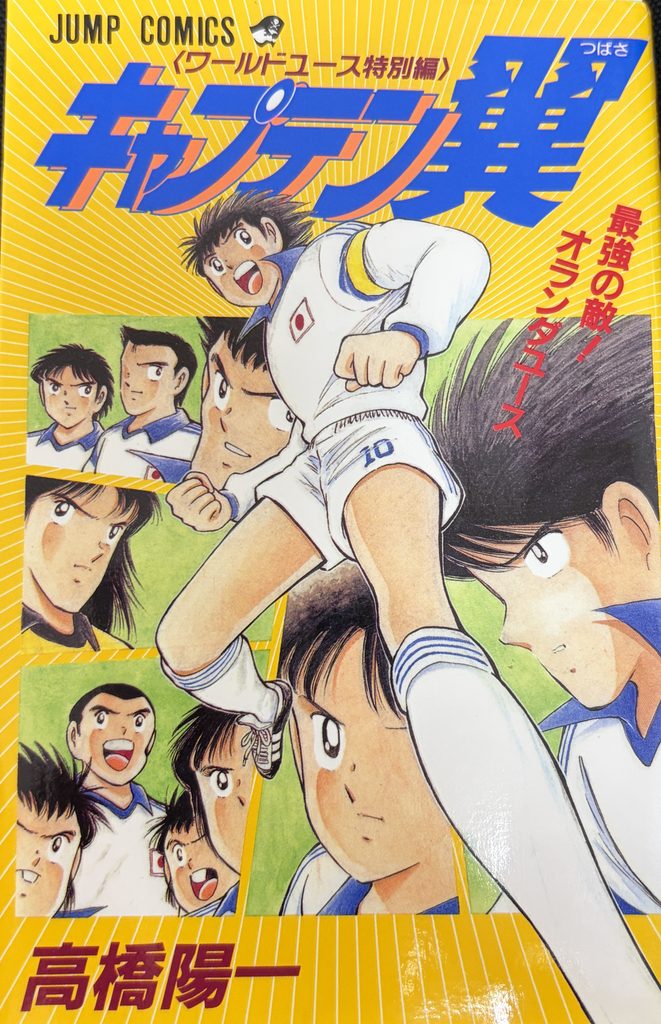
The series began in Weekly Shonen Jump in 1981 and follows Tsubasa Ozora as he grows from a young footballer into a professional player and eventually a member of the Japan national team.
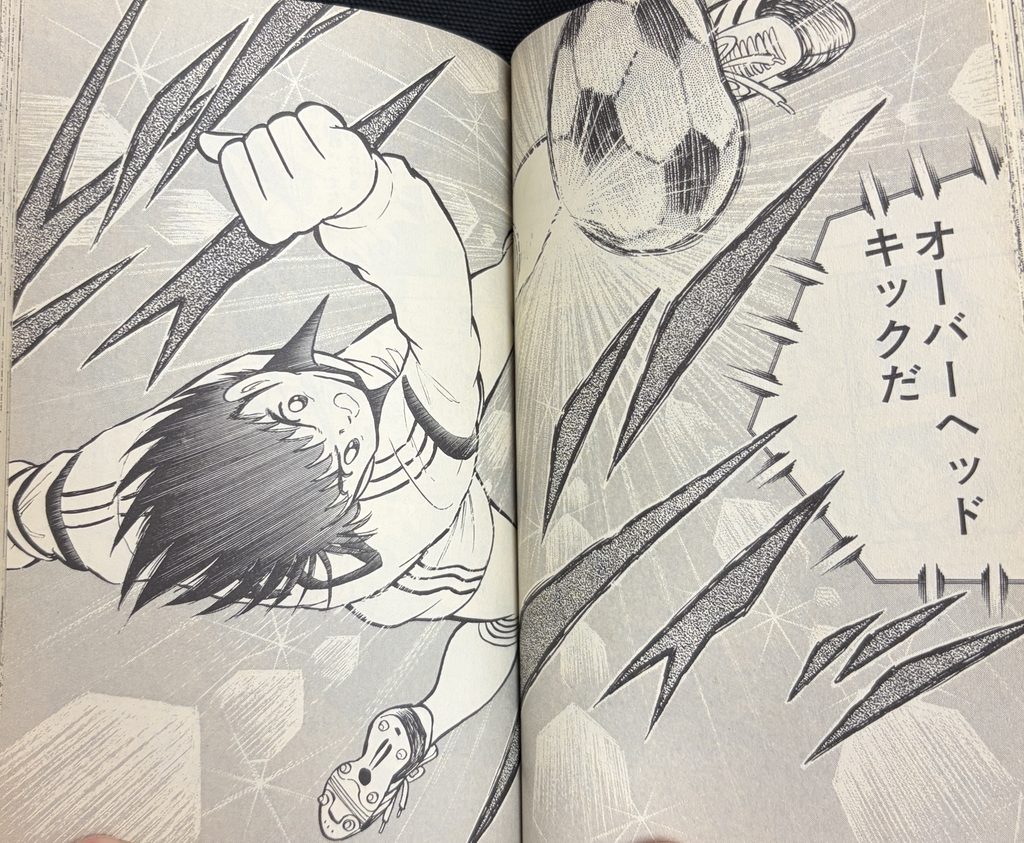
One of the manga’s defining features is its spectacular action, including special moves and dramatic plays that would be impossible in real-life football.
Techniques such as the Drive Shot and Tiger Shot captured the imagination of young readers and gave football a larger-than-life sense of excitement.
But the real significance of Captain Tsubasa goes beyond being a popular football manga.
It gave a generation of Japanese children a dream:
“I want to become a professional footballer.”
Football Was Not as Popular in Japan in the 1980s as It Is Today
To understand the impact of Captain Tsubasa, it is important to understand Japan when the series first appeared.
Today, Japan has the J.League, and the Japan national team is a regular participant at the FIFA World Cup.
But in the 1980s, the J.League did not yet exist.
Japan’s professional football league would not be established until 1993.
At the time, sports such as professional baseball and sumo were much more popular, while football was not yet a mainstream sport.
Against this background, Captain Tsubasa introduced the appeal of football to children across Japan through the pages of a manga.
How Big Is Captain Tsubasa?
Captain Tsubasa is one of Japan’s most iconic manga series, and its various installments have continued for decades since the original series began in 1981.
The manga is said to have sold more than 80 million copies worldwide, giving it a huge readership not only in Japan but also overseas.
And Captain Tsubasa is much more than a manga.
The series has been adapted into television anime, films, and video games, becoming such a familiar part of Japanese football culture that it is difficult to find a Japanese football fan who has never heard of it.
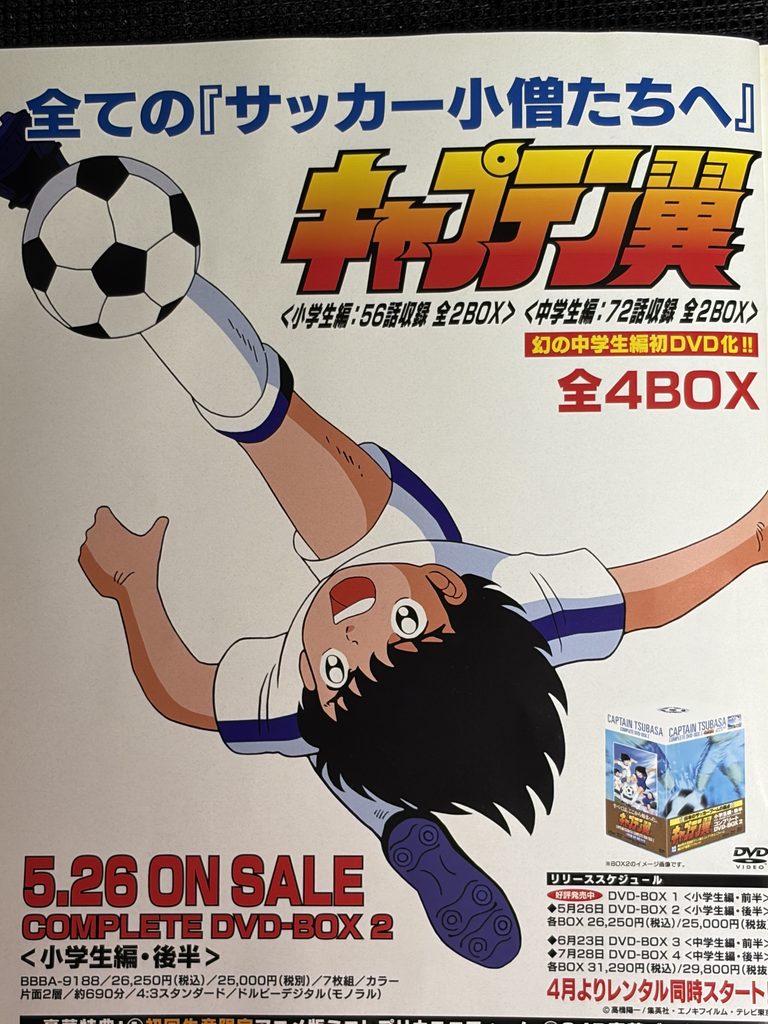
One of the most important factors behind its international reach was the television anime.
While the series is known as Captain Tsubasa in Japan, its title and even the names of its characters were changed in different countries, allowing the series to become part of local football culture in its own way.
The Biggest Impact on Japanese Football: The Dream of Becoming a Footballer
The biggest impact Captain Tsubasa had on Japanese football was not simply that it encouraged more children to play the sport.
More importantly, it gave children a concrete image of something that had previously seemed distant: becoming a professional footballer.
Tsubasa Ozora dreams of playing in Brazil, eventually moves to Europe, and grows into a player capable of competing on the world stage.
That dream would later overlap with the real-life journeys of Japanese players who went abroad to pursue careers in professional football.
Here are three Japanese players whose careers are often associated with the generation influenced by Captain Tsubasa.
Kazuyoshi Miura: A Pioneer of Japanese Football
Kazuyoshi Miura is an essential figure in the history of Japanese football.
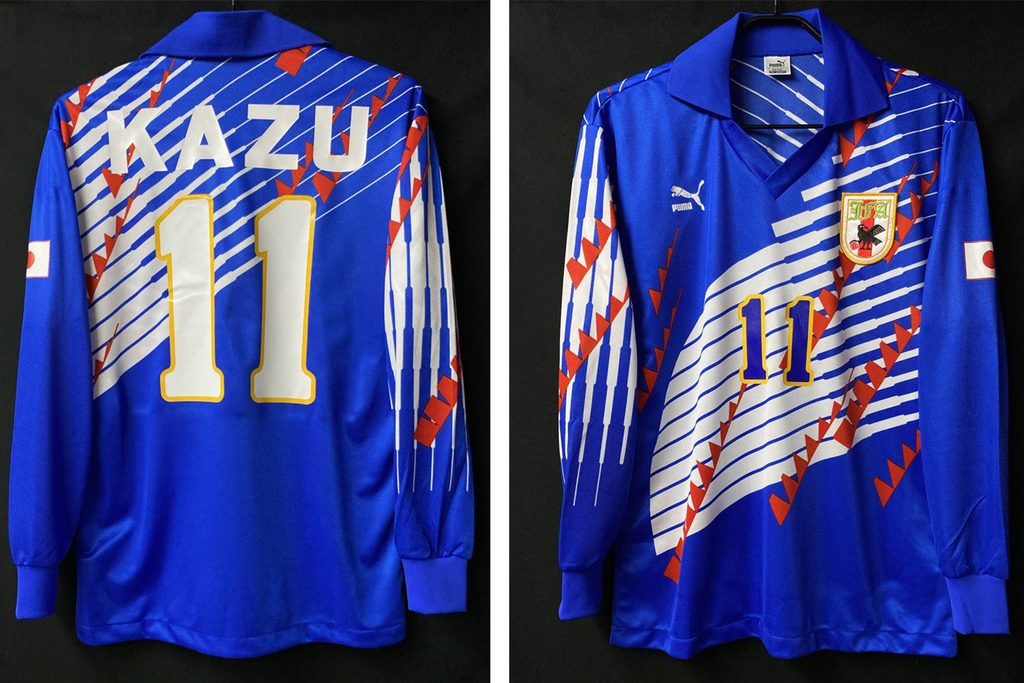
He grew up as a boy during the 1980s, when Captain Tsubasa was becoming popular, and moved to Brazil at a time when Japanese football had not yet become professional.
He built his career as a professional footballer in Brazil before returning to Japan and eventually becoming one of the central figures of the Japan national team.
He was also one of the stars of the J.League when it launched in 1993.
In many ways, Miura became a real-life example of the dream that Captain Tsubasa had presented to Japanese children: a Japanese footballer capable of making his mark on the world stage.
Hidetoshi Nakata: From Japan to Europe
Hidetoshi Nakata was another major Japanese player to emerge from the generation associated with Captain Tsubasa.
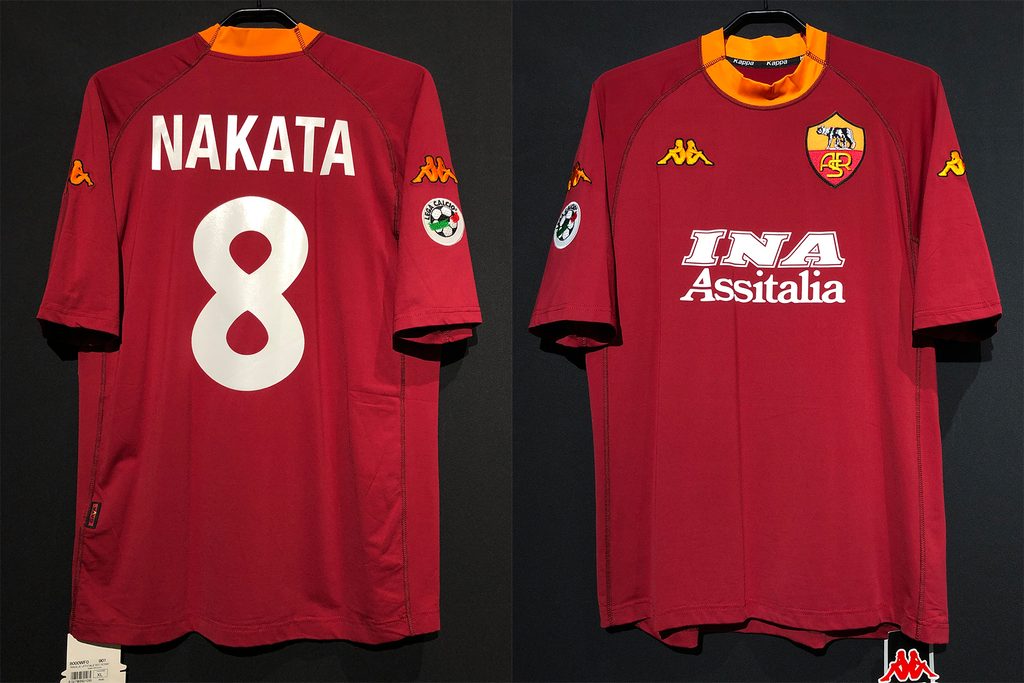
From the late 1990s through the 2000s, he played at the highest level of European football, including in Italy’s Serie A.
At the 1998 World Cup in France, Nakata made his World Cup debut for Japan.
He later won the Serie A title with AS Roma.
Players such as Nakata helped establish the idea that Japanese footballers could compete in Europe’s top leagues, something that had once been extremely unusual.
Shunsuke Nakamura: A Left Foot Recognized Around the World
Shunsuke Nakamura was another Japanese star from the Captain Tsubasa generation.
NAKAMURA-1024x683.jpg)
Known for his precise free kicks and outstanding left-footed technique, Nakamura played not only in Japan but also in Italy’s Serie A and for Celtic in Scotland.
At Celtic, he made a particularly strong impression on the European stage, including scoring spectacular direct free kicks against Manchester United in the UEFA Champions League.
He was one of the Japanese players who brought to the real football pitch the kind of dream Captain Tsubasa had shown young players: a Japanese footballer using his technical ability to compete at the highest level abroad.
Captain Tsubasa Is Also Known Among International Football Stars
The impact of Captain Tsubasa was not limited to Japan.
The series was broadcast around the world, reaching young football fans in many different countries.
Among those who grew up during this era were players who would later become some of the biggest stars in world football.
Andrés Iniesta
Andrés Iniesta, the Spanish international who won the World Cup and played a central role in FC Barcelona’s golden era, is one of the world’s biggest stars associated with Captain Tsubasa.
A.INIESTA-1024x683.jpg)
In Spain, Captain Tsubasa was broadcast under the title “Oliver y Benji.”
Tsubasa Ozora became “Oliver,” while Genzo Wakabayashi was known as “Benji,” with other character names also adapted for the Spanish audience.
Fernando Torres
Fernando Torres, who starred for Spain and played for clubs including Liverpool, Chelsea, and Atlético Madrid, also belongs to the generation that grew up with “Oliver y Benji.”
F.TORRES-1024x683.jpg)
Because Captain Tsubasa was broadcast on Spanish television during his childhood, the series was a familiar part of football culture for players of Torres’ generation.
Zinedine Zidane
Zinedine Zidane, one of the greatest footballers in French history, is also often mentioned in connection with Captain Tsubasa.
ZIDANE-1024x683.jpg)
In France, where Zidane grew up, Captain Tsubasa was broadcast under the title “Olive et Tom.”
The series became well known in France and left a strong impression on many people who grew up during the 1980s and 1990s.
In France, Captain Tsubasa Is Known as “Olive et Tom”
France is one of the most interesting countries when looking at the international reach of Captain Tsubasa.
Rather than being known as “Captain Tsubasa,” the series became famous in France under the title:
“Olive et Tom”
Tsubasa Ozora was renamed “Olivier Atton,” while Genzo Wakabayashi became “Benji Price.”
In this way, Captain Tsubasa became familiar to football fans in different countries through television, with each market giving the series its own local identity.
It was known as “Holly e Benji” in Italy, “Oliver y Benji” in Spain, and “Supercampeones” across much of Latin America.
The titles may have been different, but the story remained the same: Tsubasa Ozora and his teammates dreaming of reaching the world stage through football.
Why Was Captain Tsubasa Embraced Around the World?
One reason Captain Tsubasa was able to reach audiences around the world is that football itself is a universal language.
Although it was created in Japan, the story is not limited to Japan.
Tsubasa dreams of playing in Brazil before eventually heading to Europe.
The story of facing strong players from other countries, representing Japan in international competitions, and trying to reach the highest level of world football was easy for young football fans everywhere to understand.
The exaggerated style of manga was another major part of its appeal.
Shots flying impossibly high into the air and spectacular special moves were far removed from real-life football.
But for children, that was precisely what made the sport so exciting.
Captain Tsubasa gave them the feeling that football could be something extraordinary.
What Is the Connection Between Captain Tsubasa and the Birth of the J.League?
The relationship between Captain Tsubasa and the J.League cannot be explained simply as a direct cause-and-effect relationship. Instead, there is a longer connection between the two.
When Captain Tsubasa began serialization in 1981, Japan did not yet have a professional football league.
Then, in 1993, the J.League was launched as Japan’s first professional football league.
During those years, more children began playing football and interest in the sport continued to grow.
Of course, the creation of the J.League had many different factors behind it, including the Japan Football Association, players, companies, and local communities.
Nevertheless, the fact that Captain Tsubasa inspired Japanese children to dream about football is an important part of the broader story of how Japanese football developed.
Captain Tsubasa and Football Shirt Culture
The appeal of Captain Tsubasa goes beyond the action on the pitch.
The football shirts worn by the teams in the manga are also an important part of the series’ visual identity.
From the Nankatsu SC shirt and Toho Academy shirt to the shirts of various national teams, readers were introduced to a wide range of football shirts through the manga.
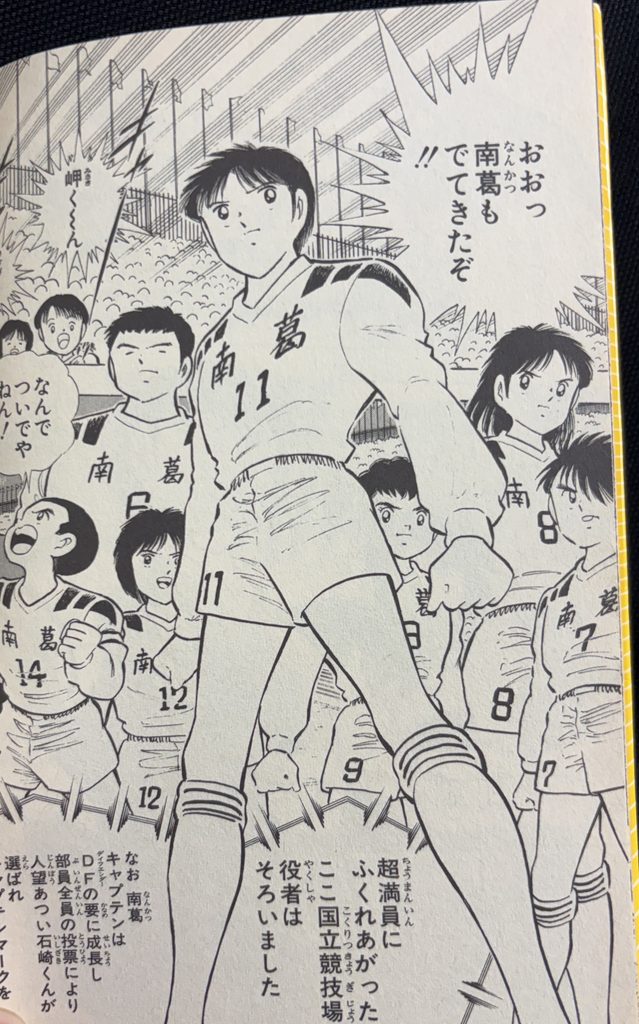
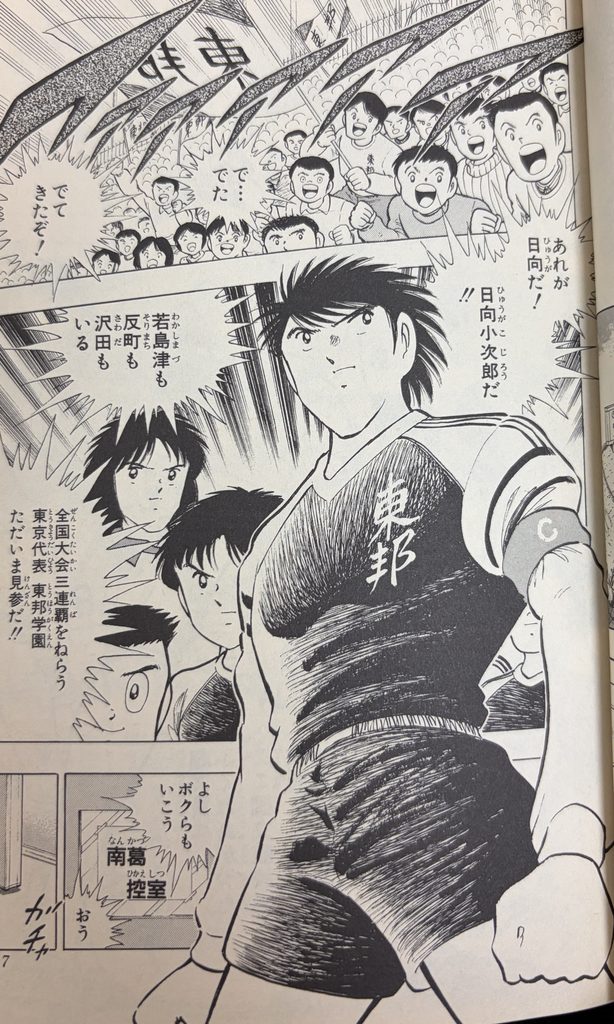
For Japanese children at the time, these shirts were one of the ways they discovered the wider world of football.
This also connects with today’s football shirt culture.
A football shirt is more than sportswear. It can represent a player, a team, a country, and the memories of a particular era.
The shirts featured in Captain Tsubasa are part of that wider football culture.
Captain Tsubasa Introduced Japanese Football to the World
One of the most interesting aspects of Captain Tsubasa is that it introduced Japanese football culture to audiences around the world while also introducing the world of football to Japanese children.
Through the manga, Japanese youngsters discovered football in Brazil and Europe.
At the same time, young football fans overseas discovered a Japanese football manga through titles such as “Olive et Tom,” “Oliver y Benji,” and “Holly e Benji.”
Captain Tsubasa has therefore played a unique role in connecting Japanese and international football cultures.
The Japanese Football Dream That Began with a Manga
The biggest impact Captain Tsubasa had on Japanese football cannot be measured simply by how many children eventually became footballers.
More importantly, it gave many young people the image that:
“A Japanese player can become a footballer capable of succeeding on the world stage.”
The dream pursued by Tsubasa Ozora in the manga was gradually realized in the real world by players such as Kazuyoshi Miura, Hidetoshi Nakata, Shunsuke Nakamura, and many others.
Today, Japan is a regular participant at the World Cup, and Japanese players competing in Europe’s top leagues is no longer unusual.
A manga that began in 1981 has continued alongside the development of Japanese football, becoming part of its history.
From Captain Tsubasa to Japanese Football Today
In the 1980s, Tsubasa Ozora showed Japanese children the dream of playing football on the world stage.
More than 40 years later, part of that dream has become reality.
The J.League was born. Japan began appearing regularly at the World Cup. Japanese players established themselves in Europe’s top leagues.
When looking at the remarkable transformation of Japanese football, Captain Tsubasa remains one of the starting points of that story.