When you think of the Japan national team, there is one color that immediately comes to mind for many football fans.
Blue.
Today, Japan is also known by the nickname “SAMURAI BLUE.”
But why is the Japan national team’s football shirt blue?
Japan’s national flag is red and white. So why does the national football team wear blue?
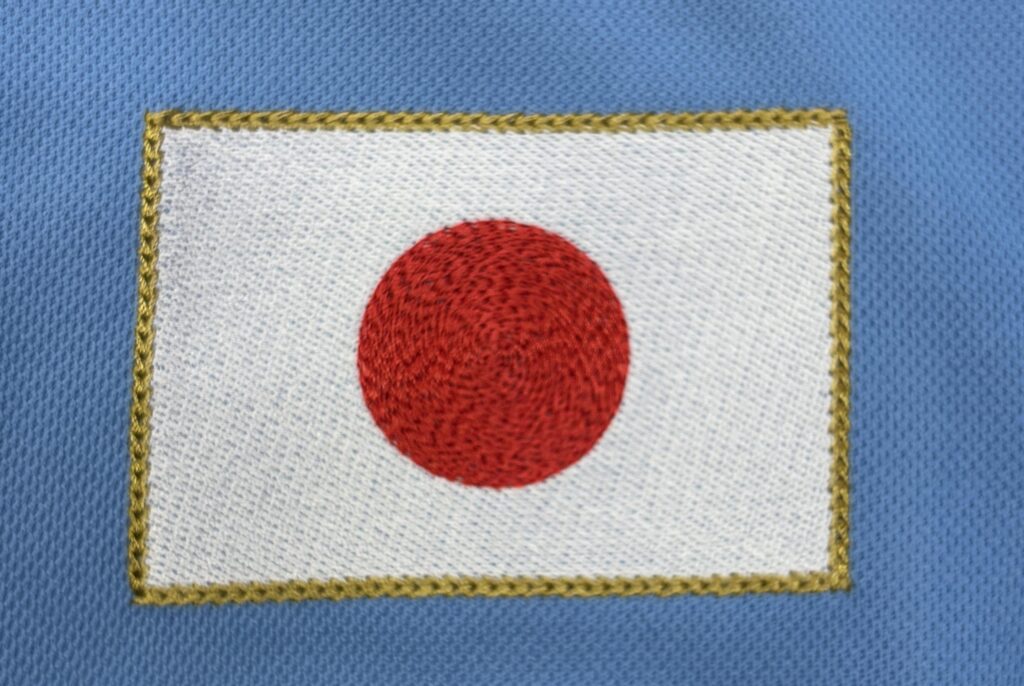
The answer can be found in the development of Japan’s national team and the history of Japanese football, going back to 1930.
When Did Japan Start Wearing Blue?
According to the Japan Football Association, one of the most important turning points in the history of Japan’s national team color came at the 9th Far Eastern Championship Games in 1930.
The tournament was held in Tokyo.
At the time, it was not easy for Japan to bring together players from across the country and form a national team specifically for international matches.
Until the 1920s, domestic qualifying tournaments were held to determine which team would represent Japan in international competitions.
In other words, there was not yet a permanent “Japan national team” in the same sense that we understand it today.
1930: Japan Forms Its First National Selection Team
The 9th Far Eastern Championship Games attracted considerable attention, partly because the tournament was being held in Tokyo.
For the tournament, the Dai Nippon Football Association, the organization that later became the Japan Football Association, formed its first national selection team.
From this point onward, selection teams representing Japan were formed for international competitions.
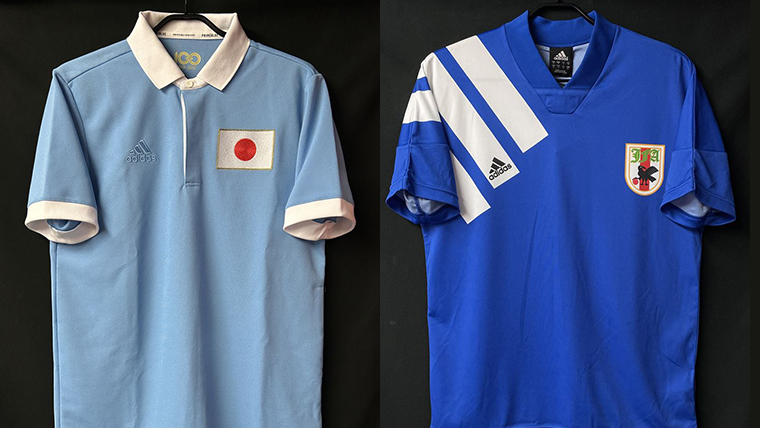
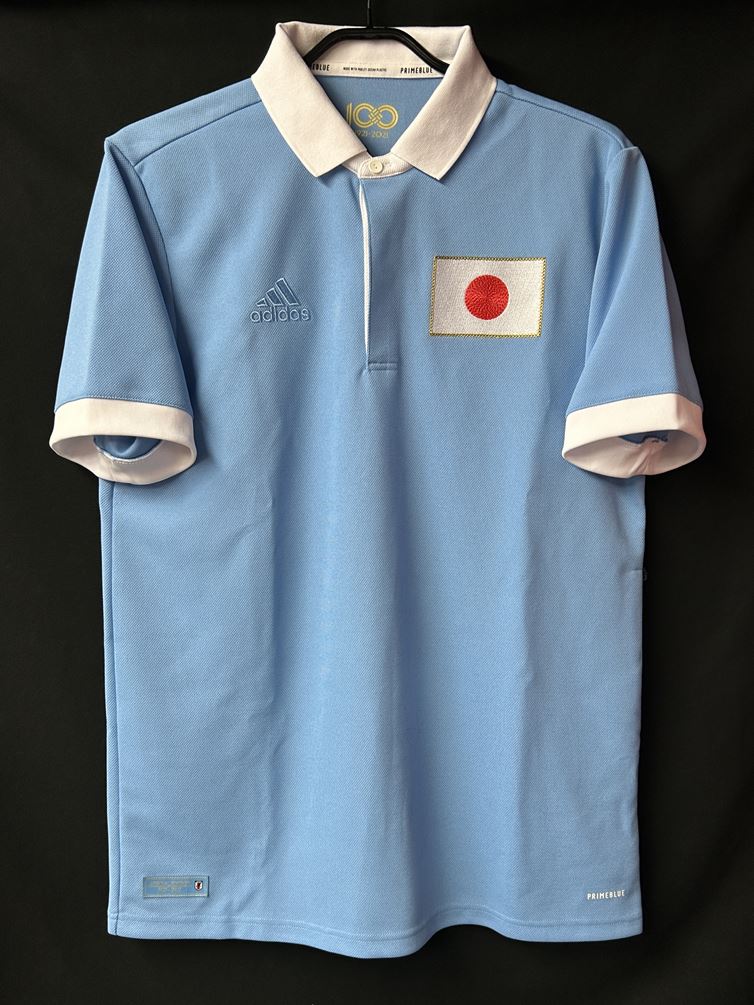
The team that represented Japan at the 1930 tournament wore light blue shirts.
This marked the beginning of the blue associated with the Japan national team today.
Why Was Blue Chosen?
This is one of the most interesting parts of the history of Japan’s national team shirt.
In fact, there is no single simple explanation for why blue was chosen.
One commonly discussed theory connects the color to Tokyo Imperial University, now the University of Tokyo.
Twelve players from Tokyo Imperial University took part in the 1930 Far Eastern Championship Games.
Because of this, one theory suggests that the color of Tokyo Imperial University’s football shirt was adopted for the Japan national team.
However, according to the Japan Football Association, there are no surviving documents that confirm this theory.
So what explanation can be found in historical records from the time?
Was Blue Chosen Because Japan Is Surrounded by the Sea?
The Japan Football Association preserves an important handwritten document by Gohei Tanabe, who was vice president of the Japan Football Association at the time.
Tanabe was later inducted into the Japan Football Hall of Fame.
In his handwritten document, Fukushoku-ko, he wrote about the decision to establish Japan’s national team colors in 1930:
“In the fifth year of Showa [1930], the colors were decided for the first time at the Far Eastern Games in Tokyo. The same colors have been used ever since. At the time, with a preference for something understated, and considering that Japan is surrounded by the sea, the entire shirt surrounding the national flag was viewed as the sea, and so blue was chosen.”
According to this record, blue was chosen because Japan is surrounded by the sea, with the sea imagined as surrounding the national flag.
Japan’s national flag itself is a red sun on a white background.
The idea recorded by Tanabe was that blue represented the “sea” surrounding the flag.
It is a fascinating historical explanation for the color that has become so closely associated with Japanese football.
There Is No Single Confirmed Explanation for the Color Blue
It is important, however, not to state simply that “Japan wears blue because it represents the sea.”
There are different theories and historical accounts surrounding the choice of color.
The theory that the Japan national team adopted the color of Tokyo Imperial University’s shirt is widely known, but there are no surviving documents that confirm it.
On the other hand, Tanabe’s Fukushoku-ko provides a historical record explaining that blue was chosen with the sea surrounding Japan in mind.
For that reason, when discussing the origins of Japan’s blue, it is important to distinguish what can be confirmed from surviving primary sources from theories that have been passed down over time.
Blue Continued After 1930 — But Not Without Changes
After the 9th Far Eastern Championship Games in 1930, blue continued to be used for Japan’s national team shirts.
However, Japan has not worn blue continuously throughout its entire history.
There have been several periods when the national team’s colors changed significantly.
1964 Tokyo Olympics
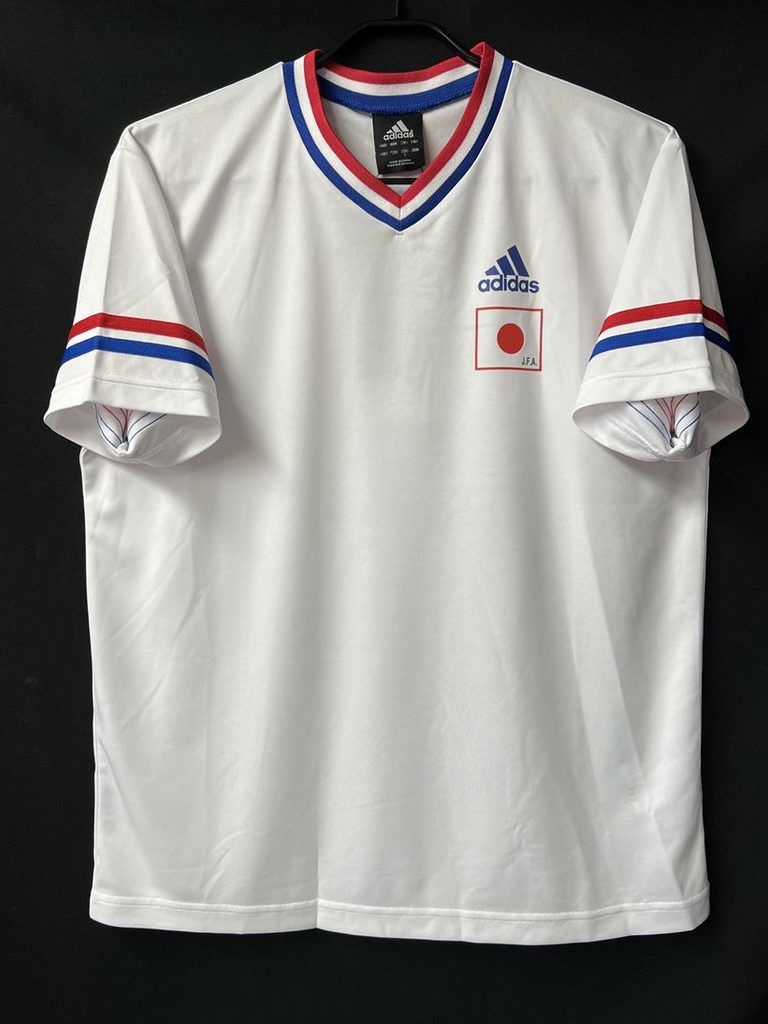
At the 1964 Tokyo Olympics, Japan wore a uniform consisting of a white shirt and white shorts.
It was a historic tournament as the first Olympic Games held in Japan, but the Japan team did not wear the blue shirt that fans associate with the national team today.
1968 Mexico Olympics
Japan also wore a white shirt at the 1968 Mexico Olympics.
The team won the bronze medal at the tournament, achieving one of the most memorable results in the history of Japanese football.
So while blue has a long history as a Japan national team color, it has not been used consistently throughout every era.
Red Was Also Used in the Late 1980s
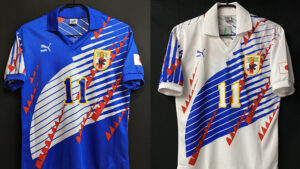
From 1988 onward, there was also a period when Japan adopted red and white shirts.
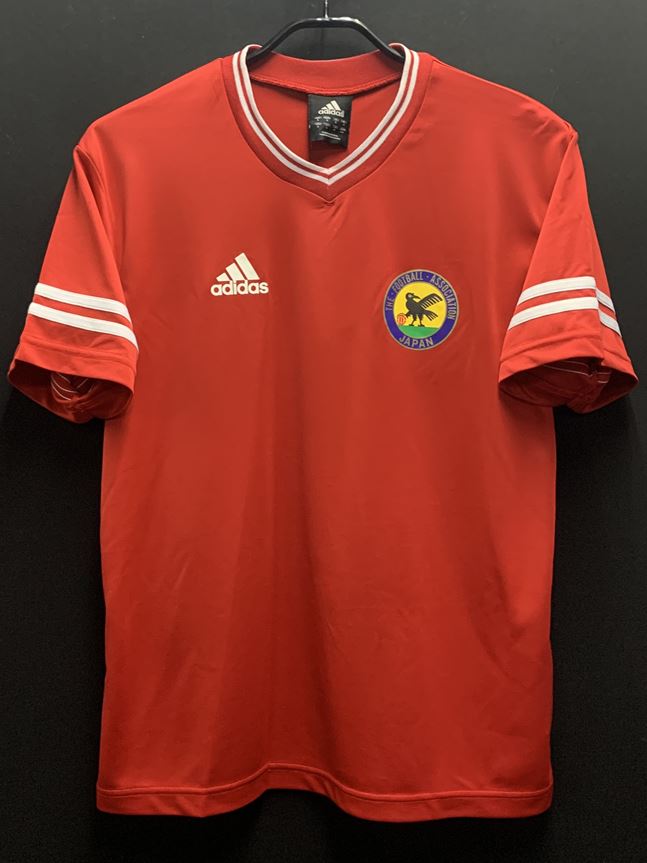
For football fans who know the modern Japan national team primarily through its blue shirts, the image of Japan wearing red may come as a surprise.
But the history of Japan’s national team colors includes several such changes.
1992: Japan Returned to Blue
In 1992, Japan once again returned to a design based on blue and white.
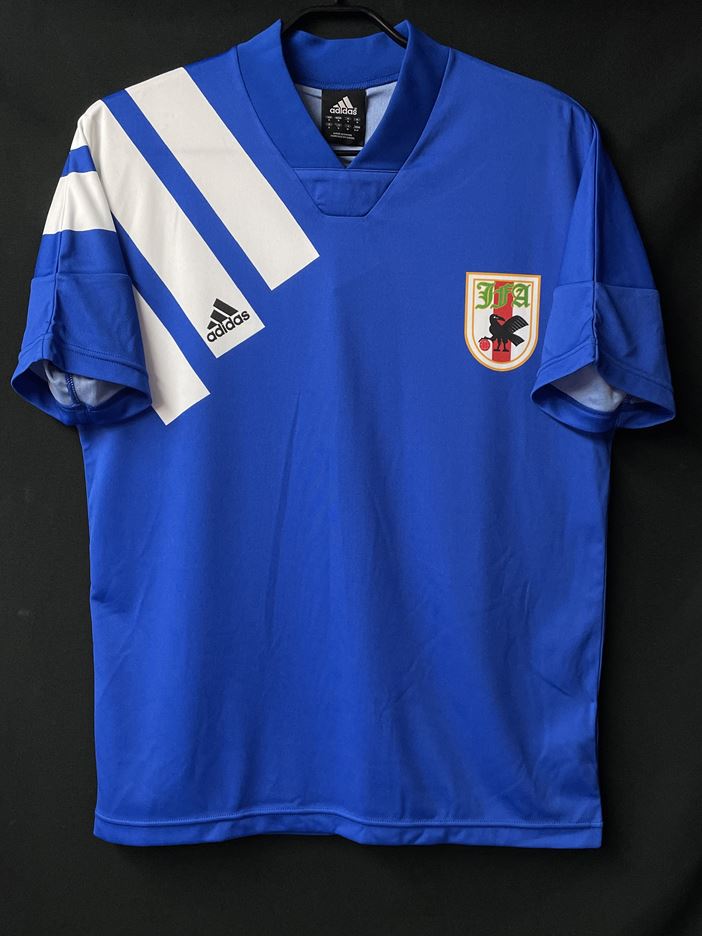
Worn at the 1992 Kirin Cup and Dynasty Cup
From that point onward, blue became the main color of the Japan national team shirt.
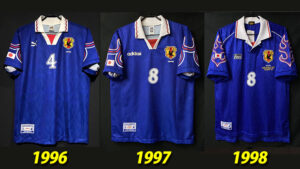
The J.League was launched in the 1990s, and Japan also began seriously pursuing its goal of reaching the World Cup and competing on the international stage.
During this period, the image of Japan = blue gradually became established.
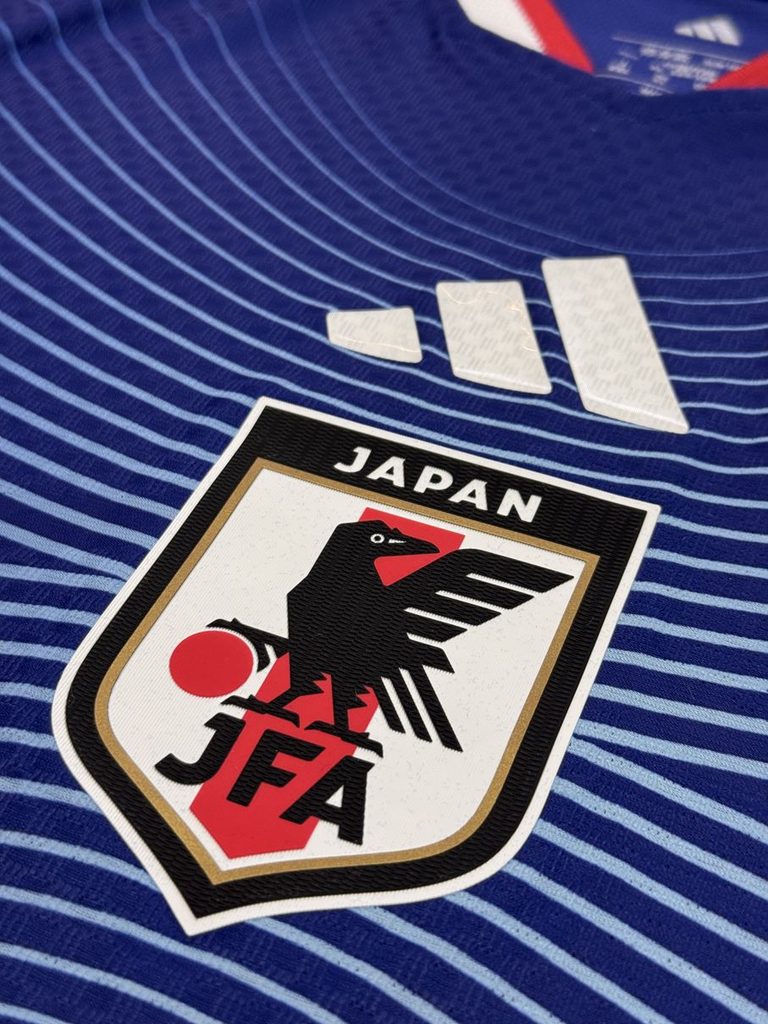
Today’s Japan National Team: “SAMURAI BLUE”
Today, the Japan national team is known as “SAMURAI BLUE.”
Blue has been closely associated with the national team since 1930, despite periods when white and red were also used.
The blue shirt worn by Japan today is the result of a long history that began more than 90 years ago.
Japan’s Blue Is Not the Color of the Japanese Flag
Japan’s national flag is red and white, so the national team’s blue may seem surprising.
The origin of the blue is not directly connected to the colors of the flag. According to a historical record by Gohei Tanabe, the color was chosen with the sea surrounding Japan in mind.
This gives Japan’s football shirt a distinctive connection to the country’s geography as well as its football history.