The ‘Watermelon Shirt’ That Helped Define the Start of the J.League
When the J.League kicked off in 1993, one of the clubs that attracted enormous attention was Verdy Kawasaki.
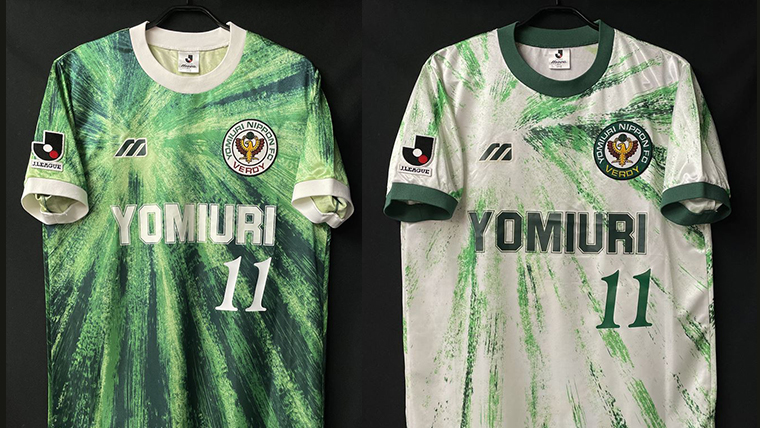
The club’s home shirt for the 1993 and 1994 seasons has since become one of the most popular and distinctive shirts from the early years of the J.League.
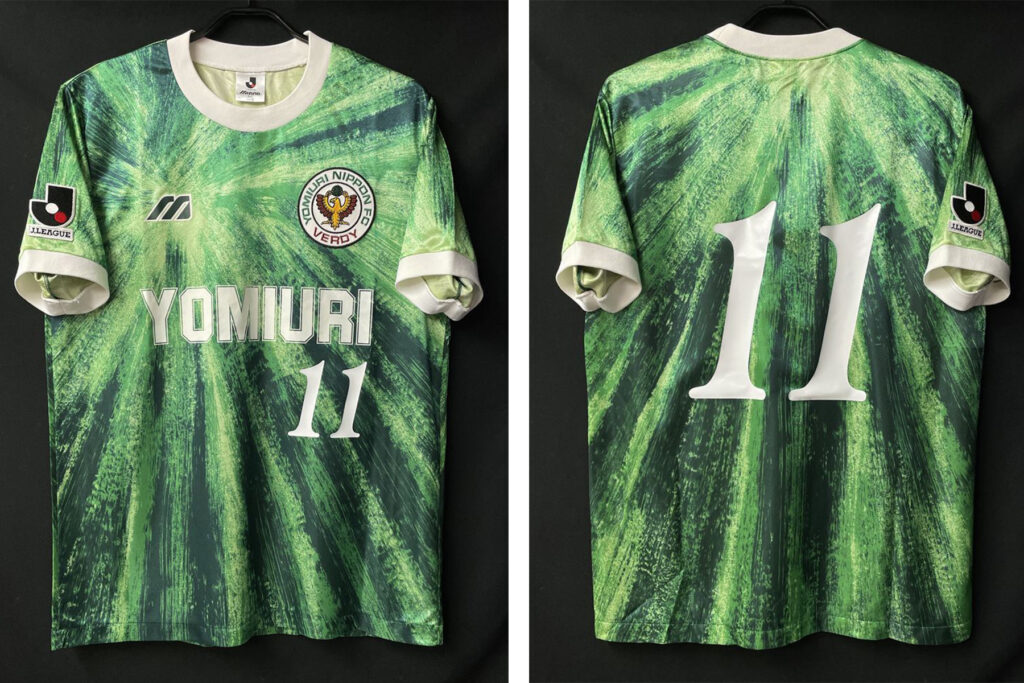
No. 11 – Worn primarily by Kazuyoshi Miura
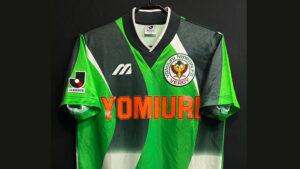
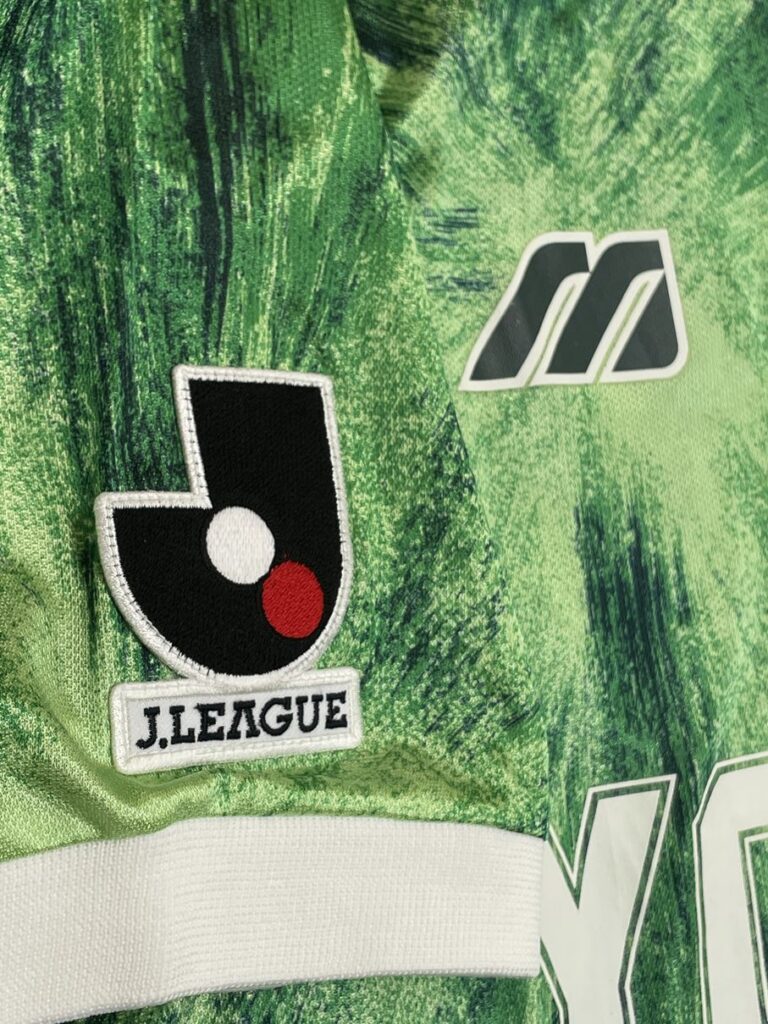
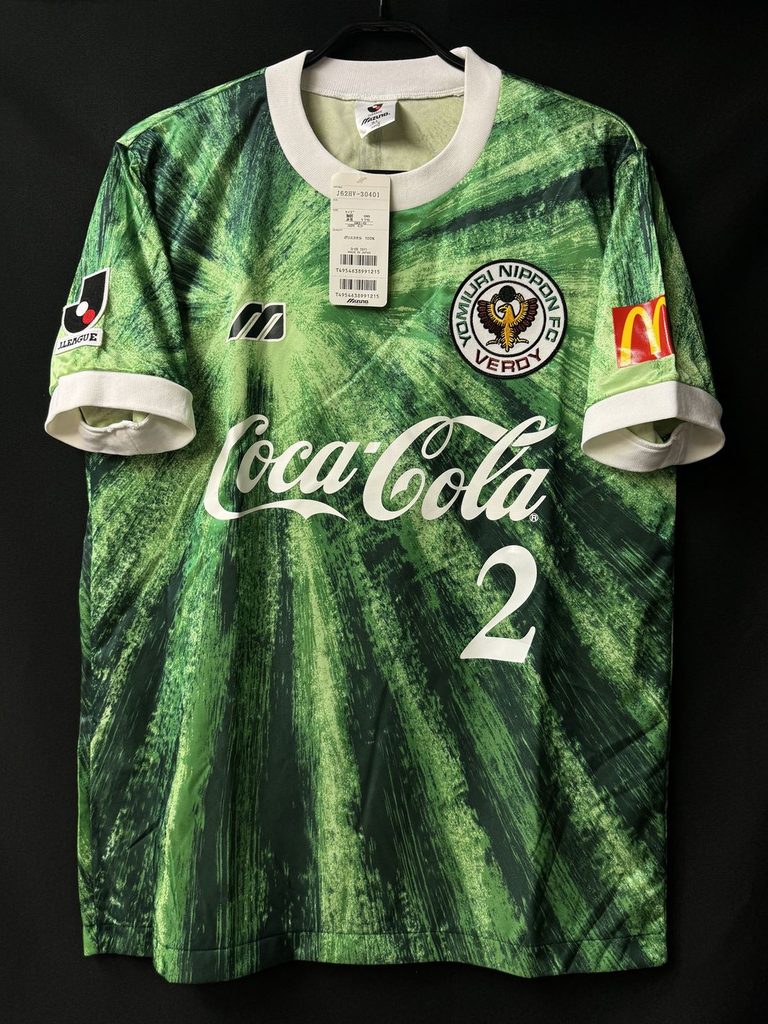
With its vivid green color and unique graphic design, it became known among fans as the “Watermelon Shirt” or the “Watermelon Pattern.”
The most striking feature is the combination of different shades of bright green and the distinctive pattern radiating outward across the shirt.
The pattern resembles the rind of a sliced watermelon, which eventually gave the shirt its famous nickname.
Even today, it remains one of the shirts that collectors associate with the early era of the J.League.
Was the ‘Watermelon Shirt’ Born in an Art Museum?
The story behind the design of this shirt is surprisingly connected to the world of art.
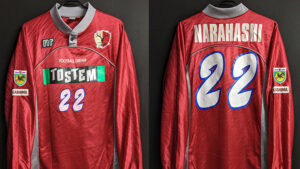
The designer was Shigeki Narahara, who was Mizuno’s design director at the time.
During a business trip to Europe, Narahara visited the Musée d’Orsay in Paris.
There, he happened to see The Gleaners, one of the best-known works by French painter Jean-François Millet.
The painting became a source of inspiration for the distinctive design that would eventually be used by Verdy Kawasaki.
The unique, rough texture of the lines on the shirt was also influenced by another artistic experience.
At the time, an exhibition in Japan was being held to mark the 100th anniversary of Vincent van Gogh’s death.
Narahara later explained that he took inspiration from the rough brush texture of the oil paintings he saw at the exhibition and incorporated a similar quality into the lines of the shirt.
In other words, the “Watermelon Shirt” was more than just a football shirt design. It was a design born from inspiration drawn from European art and painting.
Chosen from Around 60 Design Concepts
The final design was not an obvious choice from the beginning.
Around 60 different design concepts were reportedly prepared for the shirt.
The design eventually selected was the one with the strongest artistic character.
One person who particularly liked the design was Kazunari Ogawa, the first president of Verdy Kawasaki.
Ogawa had previously worked as an art reporter, which may have helped him appreciate the artistic elements of the design.
He reportedly approved the design almost immediately.
It is fascinating to think that, from around 60 different concepts, the one that was eventually selected would become famous enough to earn the nickname “Watermelon Shirt.”
Player Issue: ‘Coca-Cola’ / Retail Version: ‘YOMIURI’
There is an important detail about this 1993 Verdy Kawasaki shirt that collectors should know.
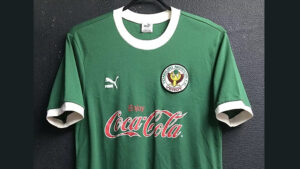
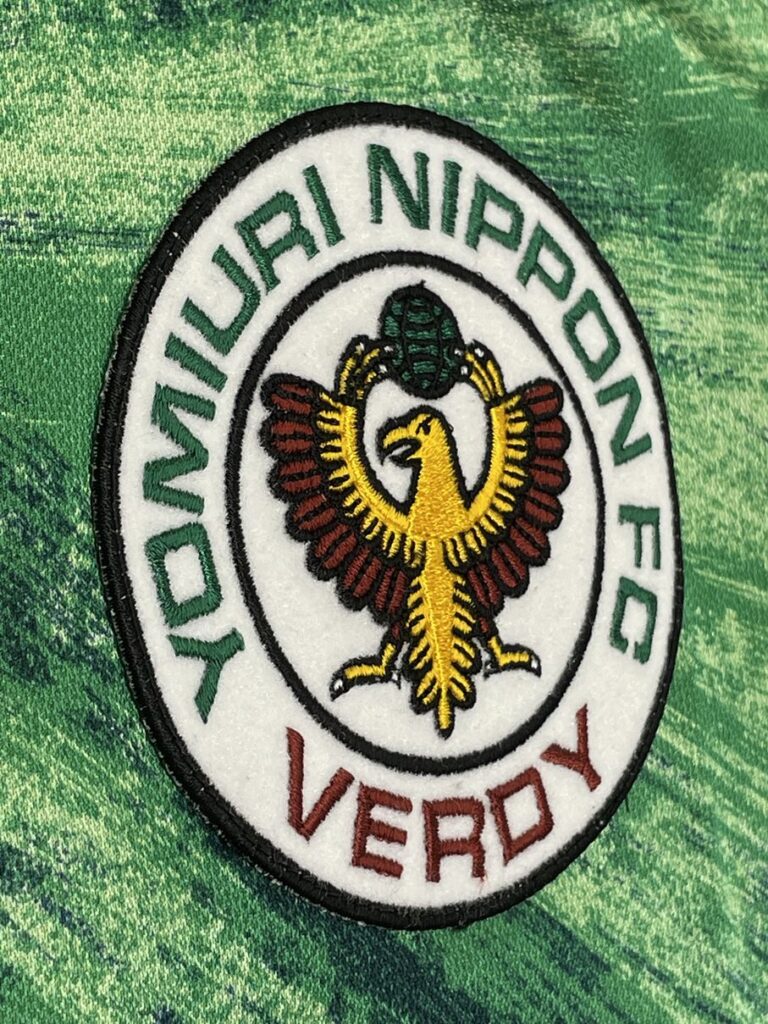
The Player Issue worn by the players featured the “Coca-Cola” logo on the chest.
The Retail Version sold to fans, on the other hand, featured the word “YOMIURI.”
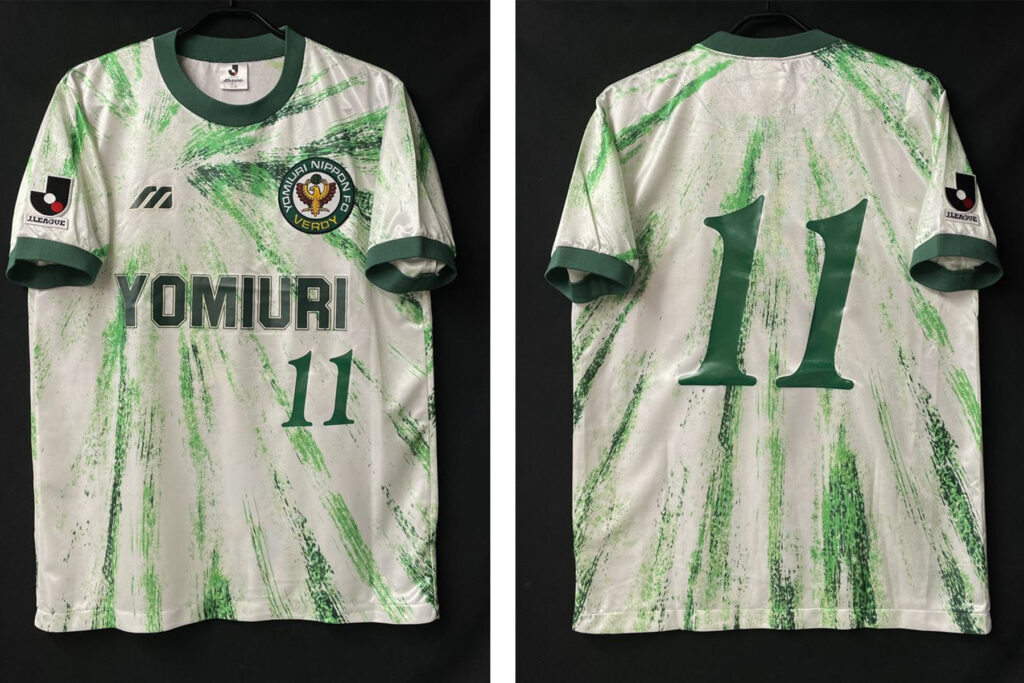
1993/94 Verdy Kawasaki(Home)
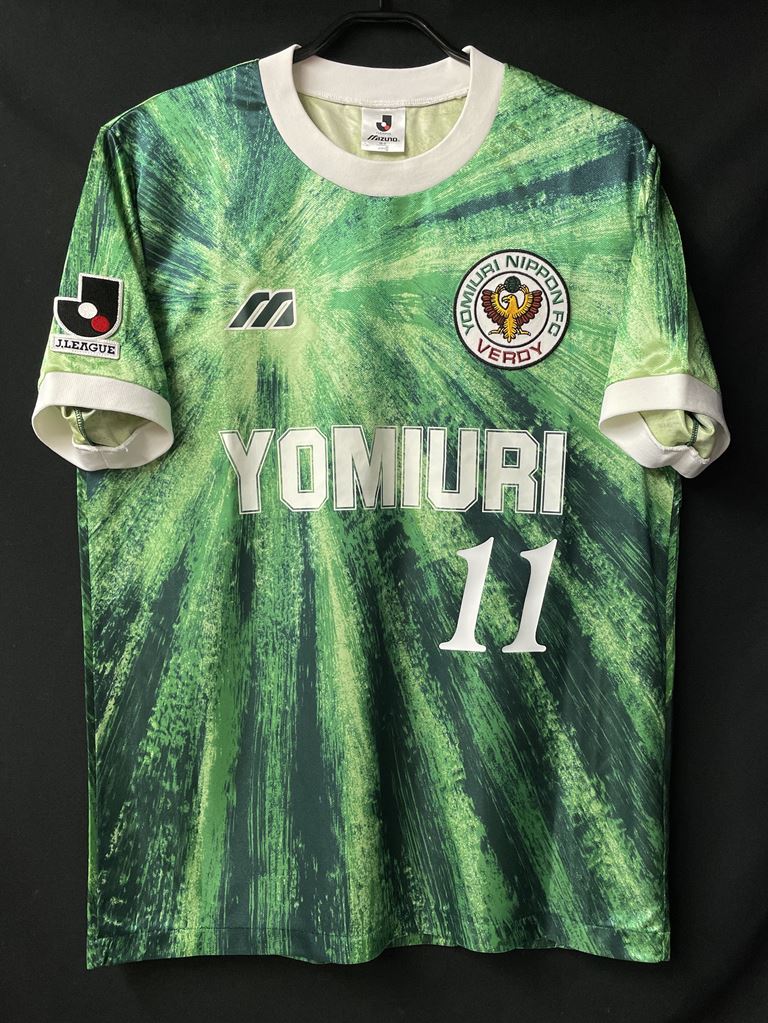
1993/94 Verdy Kawasaki(Home)
In other words, even though they were both 1993 Verdy Kawasaki home shirts, the chest sponsor was different between the Player Issue and the Retail Version.
This is one of the most interesting details for collectors of early J.League shirts.
At first glance, the two versions may appear to be the same shirt. However, the chest logo provides an important clue for distinguishing the Player Issue from the Retail Version.
Kazuyoshi Miura Shined in 1993
No discussion of this shirt would be complete without Kazuyoshi Miura.
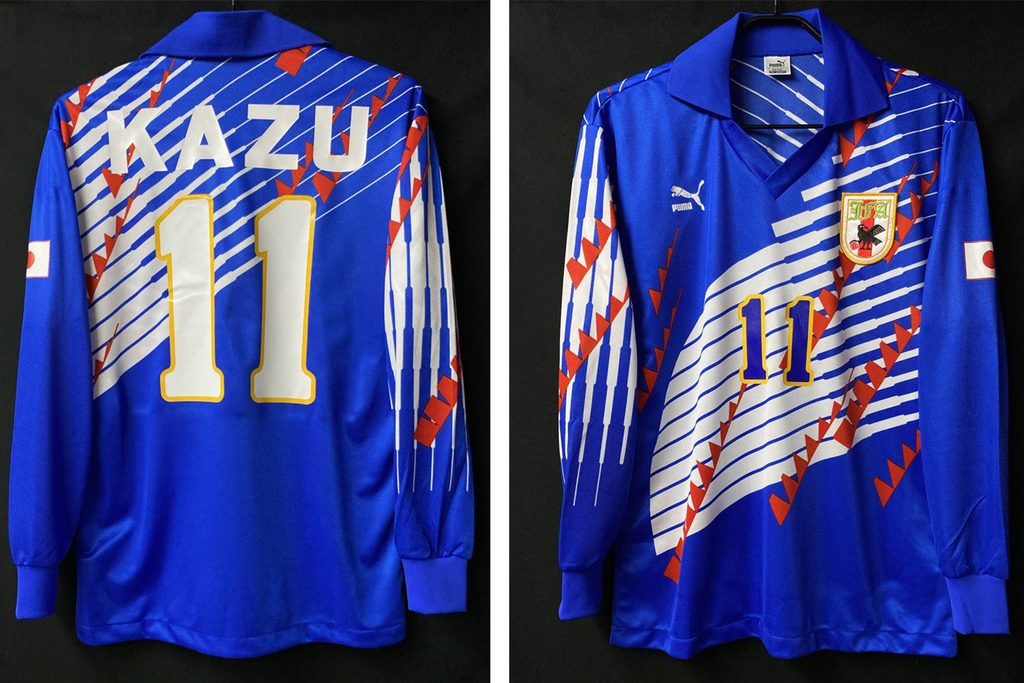
In 1993, the year the J.League officially began, Miura scored 20 goals over the course of the season.
That was the highest total among Japanese players in the league.
He also scored twice in the J.League All-Star Soccer and was named All-Star MVP.
Then came the Championship, where Verdy Kawasaki faced Kashima Antlers to decide the J.League champions.
Miura scored in both the first and second legs, making a major contribution to Verdy Kawasaki’s championship victory.
His performances earned him another major honor: he became the inaugural J.League MVP.
At the J.League Awards, Miura appeared in a striking bright red suit as he lifted the trophy as the first-ever J.League MVP. The image remains one of the defining scenes of the J.League’s first season.
The “Watermelon Shirt” was therefore worn by one of Japanese football’s biggest stars during a period when the history of the sport in Japan was beginning to change dramatically.
Verdy Kawasaki’s Star-Studded Squad
Kazuyoshi Miura was not the only star at Verdy Kawasaki.
The club was packed with Japanese internationals, including Ruy Ramos, Tetsuji Hashiratani, and Tsuyoshi Kitazawa.
With so many high-profile players on its roster, Verdy Kawasaki was one of the clubs that helped generate enormous excitement around Japanese football when the J.League began.
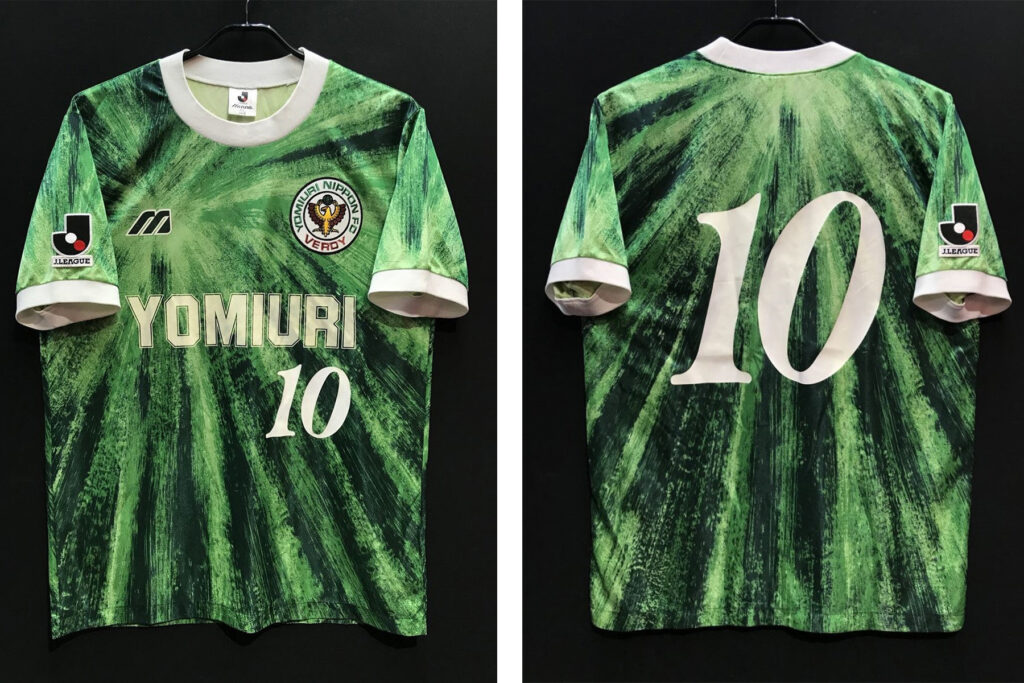
No. 10 – Worn primarily by Ruy Ramos
For many fans, the “Watermelon Shirt” therefore represents more than just an unusual shirt design. It also brings to mind Verdy Kawasaki’s star-studded squad of the early 1990s, led by Miura.
The ‘Watermelon Shirt’ Wasn’t a Hit Before the J.League Began
The “Watermelon Shirt” is highly sought after today, but it was not an instant success when it first went on sale.
The shirt was released in late March 1993, before the J.League officially kicked off.
The price was ¥11,500 per shirt.
That was far from cheap at the time.
And despite the excitement surrounding the upcoming J.League, the shirt reportedly sold surprisingly poorly when it was first released.
So many shirts remained in stock that they were reportedly piled up at Mizuno’s headquarters.
Everything changed when the J.League finally kicked off on May 15, 1993.
As attention surrounding Verdy Kawasaki exploded, the shirts that had struggled to sell suddenly began flying off the shelves.
More Than 200 Shirts Sold on Every Match Day
At the time, Verdy Kawasaki operated its own official store in Aoyama, Tokyo.
After the J.League began, more than 200 Verdy Kawasaki shirts were reportedly sold at the store every time the team played a match.
The stock that had once been sitting at Mizuno’s headquarters had suddenly become a highly popular product after the launch of the J.League.
This story is a good example of the impact the 1993 J.League had on Japan’s sports market.
Before the J.League, the culture of fans buying football shirts to support their favorite clubs and players was not nearly as widespread in Japan as it is today.
But with the launch of the J.League, the number of fans buying shirts to show their support for clubs and players grew rapidly.
The “Watermelon Shirt” may well have been one of the shirts that symbolized this cultural change.
A Shirt That Represents the J.League’s First Era
Verdy Kawasaki’s 1993 “Watermelon Shirt” represents the early J.League not only because of its distinctive design, but also because of the story behind its creation and the achievements of the star players who wore it.
A design inspired by art, a star-studded squad led by Kazuyoshi Miura, and a shirt that went from struggling to sell before the opening day to becoming a popular item once the J.League began.
All of these stories are what make the “Watermelon Shirt” such a special piece of J.League history.