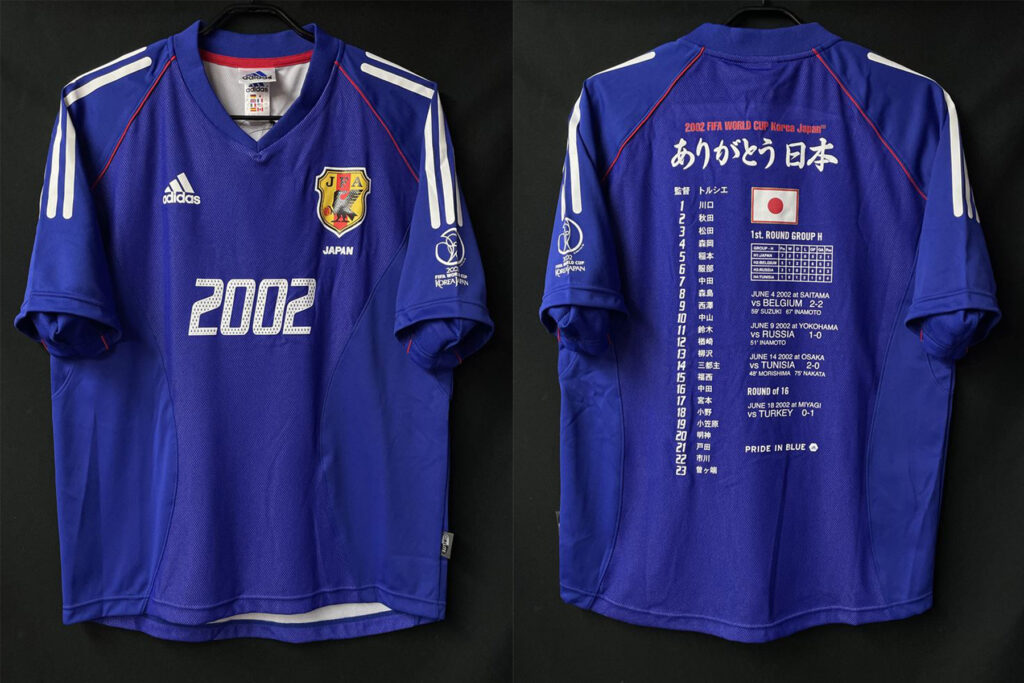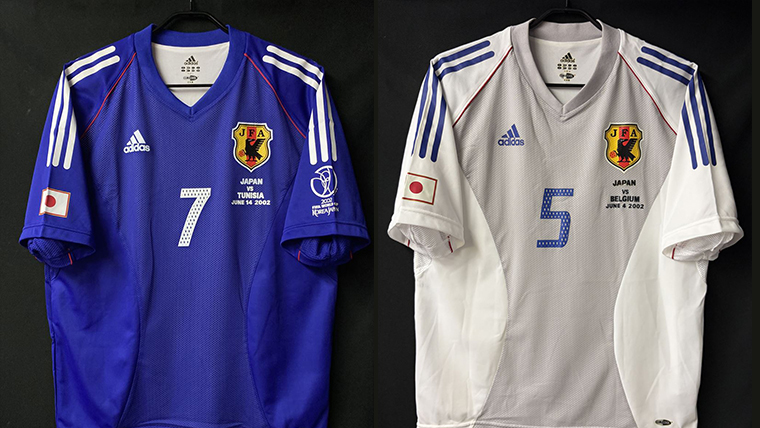
2002/03 Japan National Team Home and Away Shirts
The 2002/03 Japan national team shirts were worn during the 2002 FIFA World Cup Korea/Japan, the first World Cup ever hosted by Japan.
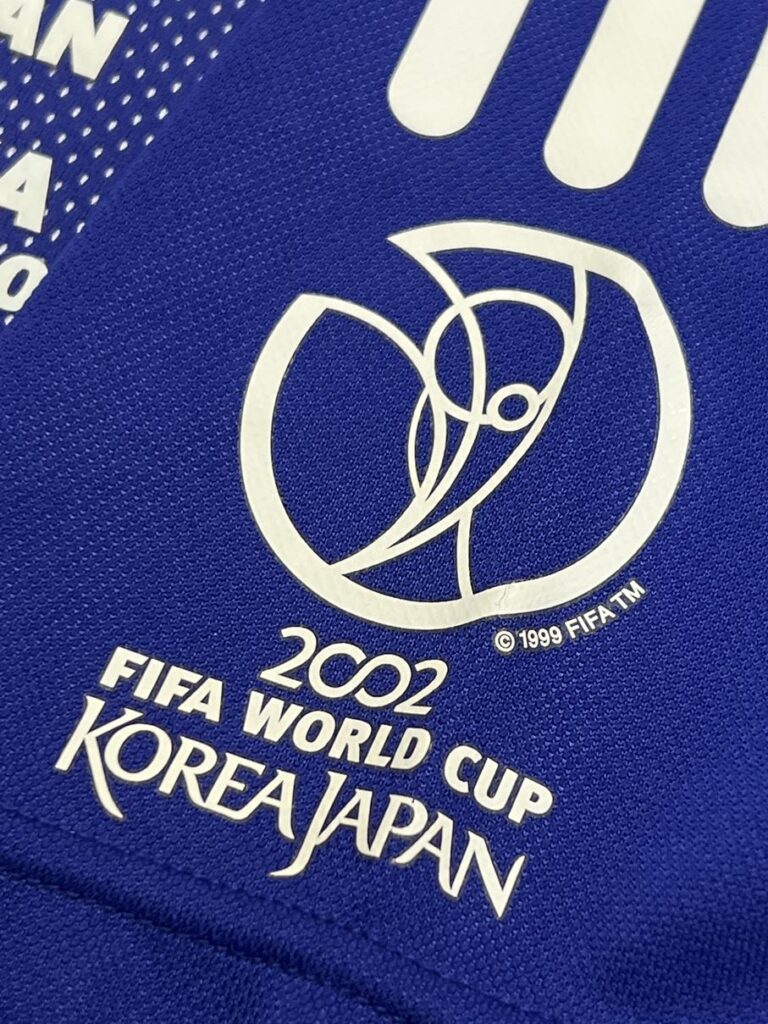
The tournament marked a major turning point in Japanese football history. Japan hosted the World Cup for the first time, recorded its first-ever victory in the competition, and reached the knockout stage for the first time. It was an unforgettable tournament for the national team and its supporters.
At the time, an increasing number of Japanese players were making their mark in Europe’s top leagues. Talented players such as Hidetoshi Nakata and Shinji Ono would later become associated with what came to be known as Japan’s “Golden Generation.”
In this article, we take a closer look at the 2002/03 home and away shirts while revisiting the World Cup that saw Japan make history on home soil.
The Home Shirt: A Design Inspired by the Beauty of Japan
The home shirt features blue, the traditional colour of the Japan national team.
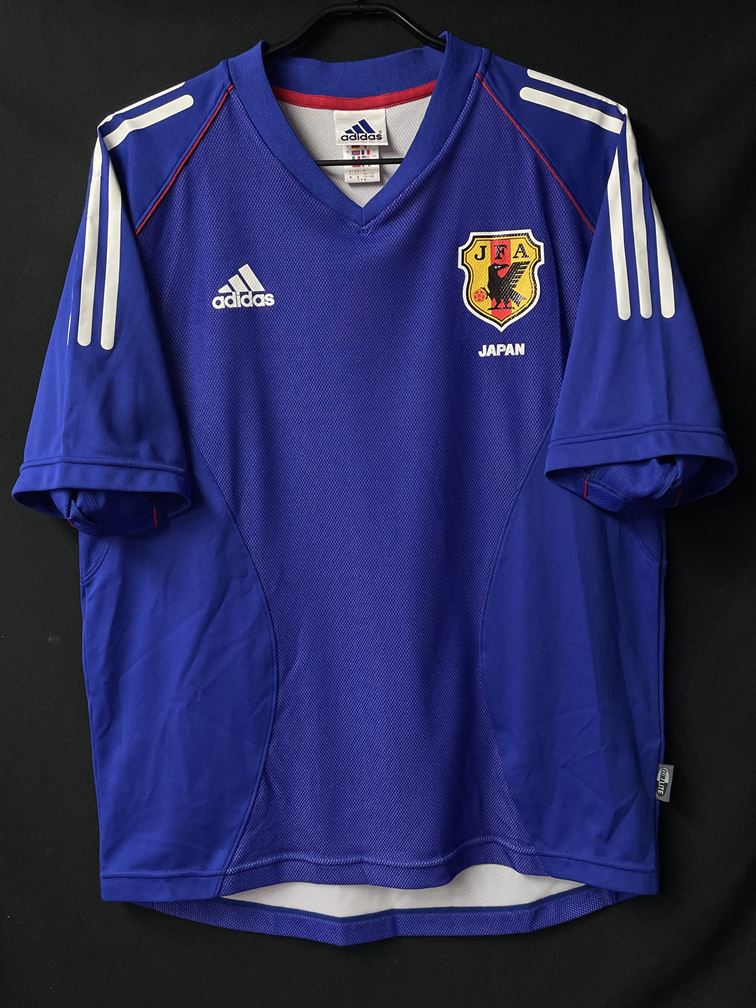
One of its most distinctive design elements is the red piping running from the collar to the sleeve cuffs. This detail was inspired by the image of “Upside-Down Mount Fuji” (Sakasa Fuji), a reflection of Mount Fuji on the surface of a lake. The design incorporates one of Japan’s most recognisable natural landmarks and the beauty of its surrounding scenery.
For the 2002 World Cup, hosted on home soil, Japan wore a shirt that reflected this distinctly Japanese aesthetic.
Although the overall design is relatively simple, considerable attention was also paid to its performance features.
Japan’s climate in June, when the tournament was held, is typically hot and humid. To address these conditions, both the Player Issue and Authentic Version featured a double-layer construction, with mesh material incorporated into the inner layer of the shirt. The materials and construction were also carefully designed to reduce weight as much as possible.

By contrast, the Retail Version sold to the general public did not feature this double-layer construction.
In other words, the Player Issue and Authentic Version had a different internal structure from the standard retail model. Although the shirts looked similar from the outside, the Authentic Version offered performance-oriented features closer to the Player Issue than those found in the regular Retail Version.
The emphasis on comfort and lightweight construction, taking Japan’s hot and humid summer climate into account, is one of the most interesting aspects of this shirt.
The Away Shirt
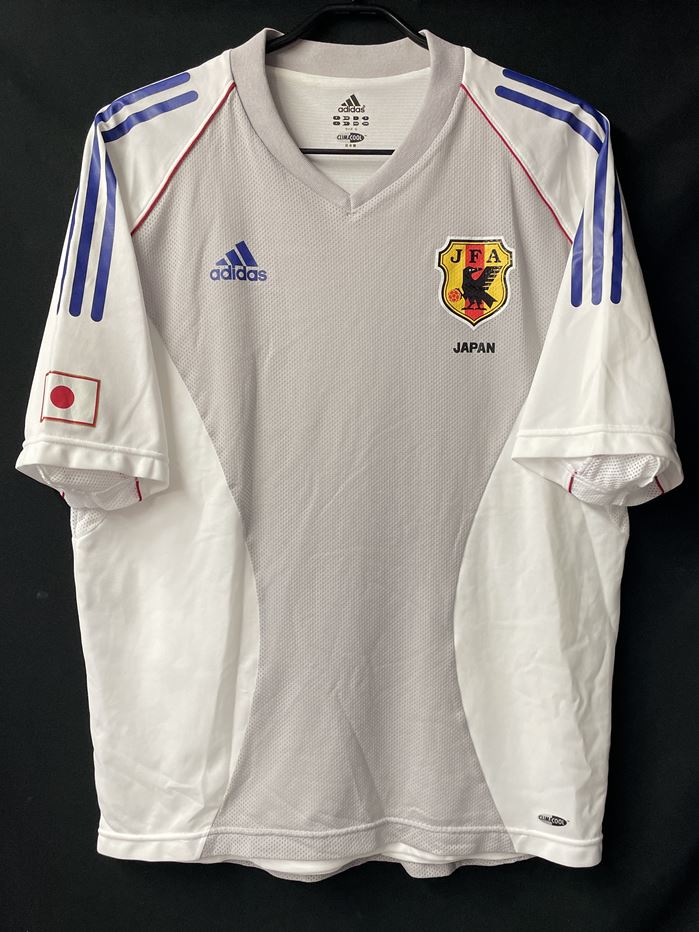
The away shirt features a predominantly white design, offering a clear contrast to the blue home version.
Like the home shirt, it features red detailing running from the collar towards the sleeves. This shared element gives both versions a consistent design identity.
Many people associate Japan’s national team with blue, but the white away shirt also played an important role during the 2002 World Cup.
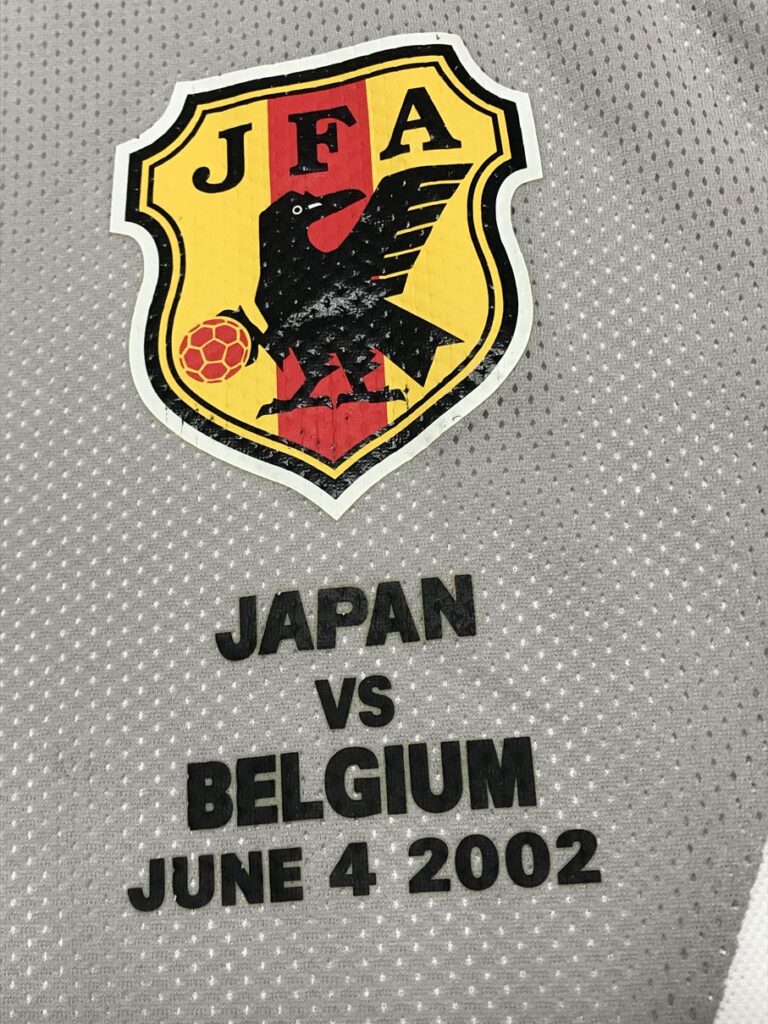
In particular, Japan’s opening group-stage match against Belgium marked the first time the national team wore its white away shirt in a FIFA World Cup match.
European-Based Players and Japan’s “Golden Generation”
The players who represented Japan at the 2002 World Cup are an essential part of the story of this tournament.
By this time, Japanese footballers playing for European clubs had become increasingly common compared with previous generations.
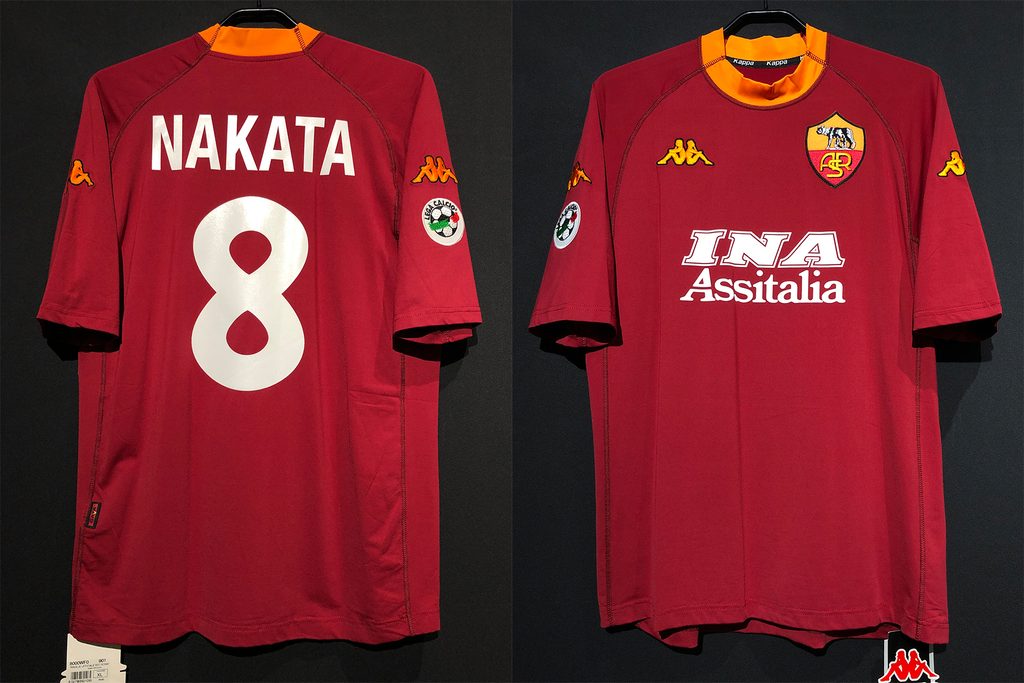
One of the most prominent examples was Hidetoshi Nakata, who had established himself in Italy’s Serie A. During the 2000/01 season, he helped AS Roma win the league title. His outstanding performance against Juventus was particularly memorable, demonstrating that Japanese players could compete at the highest level of European football.
Shinji Ono was another important figure. Playing for Dutch club Feyenoord, he won the 2001/02 UEFA Cup, becoming the first Japanese player to lift the trophy.
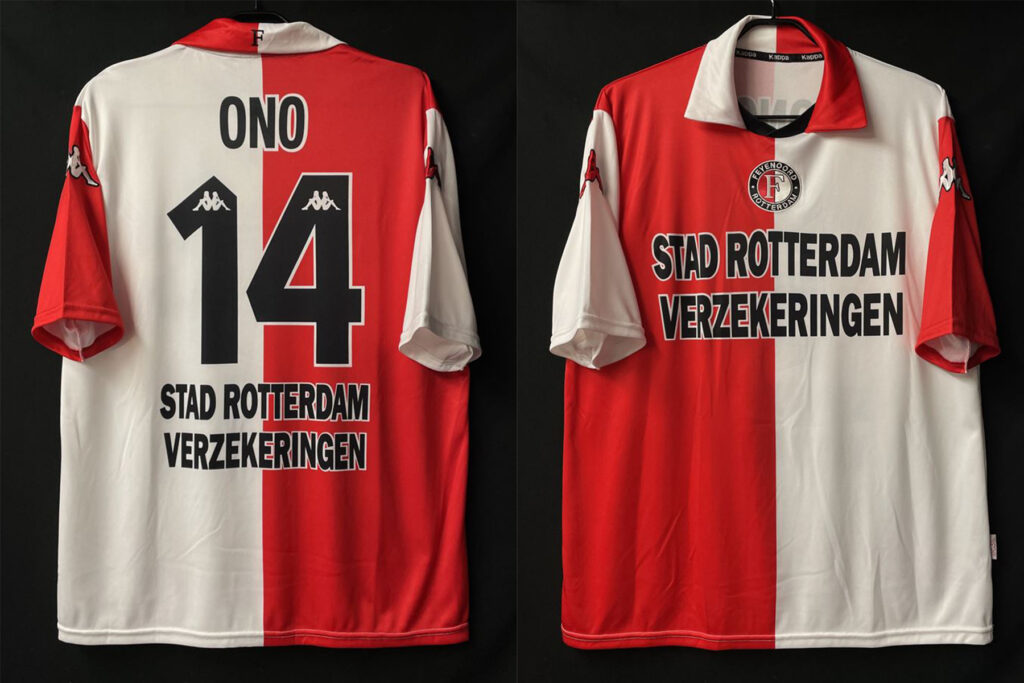
Meanwhile, players from the generation that finished as runners-up at the 1999 FIFA World Youth Championship were also beginning to take on important roles in the senior national team.
This group included Shinji Ono, Naohiro Takahara and Junichi Inamoto, all of whom would go on to become major figures in Japanese football. They would later be associated with the name “Golden Generation.”
The 2002 squad brought together players with experience in domestic football, those who had established themselves overseas, and young talents who had already achieved success on the international stage. It was a period when Japanese football was preparing to take another step forward.
The 2002 World Cup Co-hosted by Japan and South Korea
In June 2002, the FIFA World Cup was jointly hosted by Japan and South Korea.
It was the first World Cup held in Asia and also the first in the tournament’s history to be co-hosted by two countries.
For Japan, it was only their second appearance at the World Cup finals and their first opportunity to compete in front of home supporters.
The team was managed by French coach Philippe Troussier. After making their World Cup debut at France 1998, Japan entered the 2002 tournament aiming to achieve even greater success on home soil.
Japan were drawn into Group H alongside Belgium, Russia and Tunisia. Over the course of three group-stage matches, the team would produce results that became part of Japanese football history.
Opening Match Against Belgium: Japan Earns Its First World Cup Point
On June 4, 2002, Japan faced Belgium in their opening match at Saitama Stadium 2002.
It would become a memorable occasion, as Japan earned their first-ever point at the FIFA World Cup finals.
For this match, Japan wore the white away shirt. It was the first time the national team had worn this version in a World Cup match.
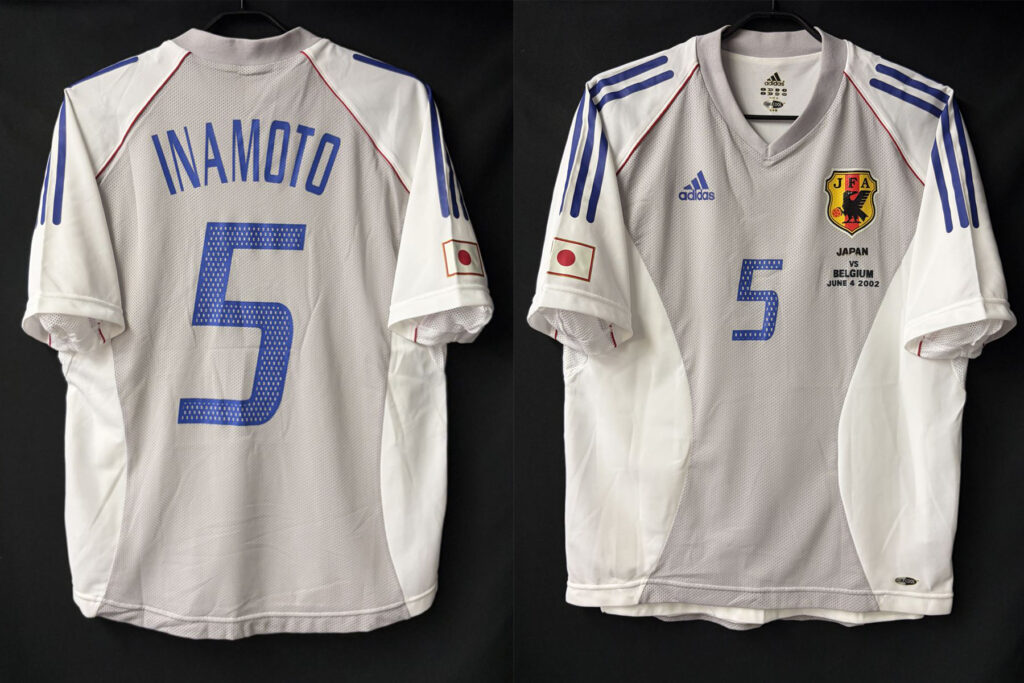
Belgium opened the scoring, but Japan equalised through Takayuki Suzuki. In the second half, Junichi Inamoto scored again to put Japan ahead. Belgium later found an equaliser, and the match ended in a 2-2 draw.
Although Japan missed out on victory, the draw secured their first-ever World Cup point. Competing on equal terms with a strong European side in the opening match gave the team valuable confidence heading into the remaining fixtures.
Russia Match: Japan Records Its First World Cup Victory
Japan’s second opponent was Russia. The match took place on June 9 at International Stadium Yokohama.
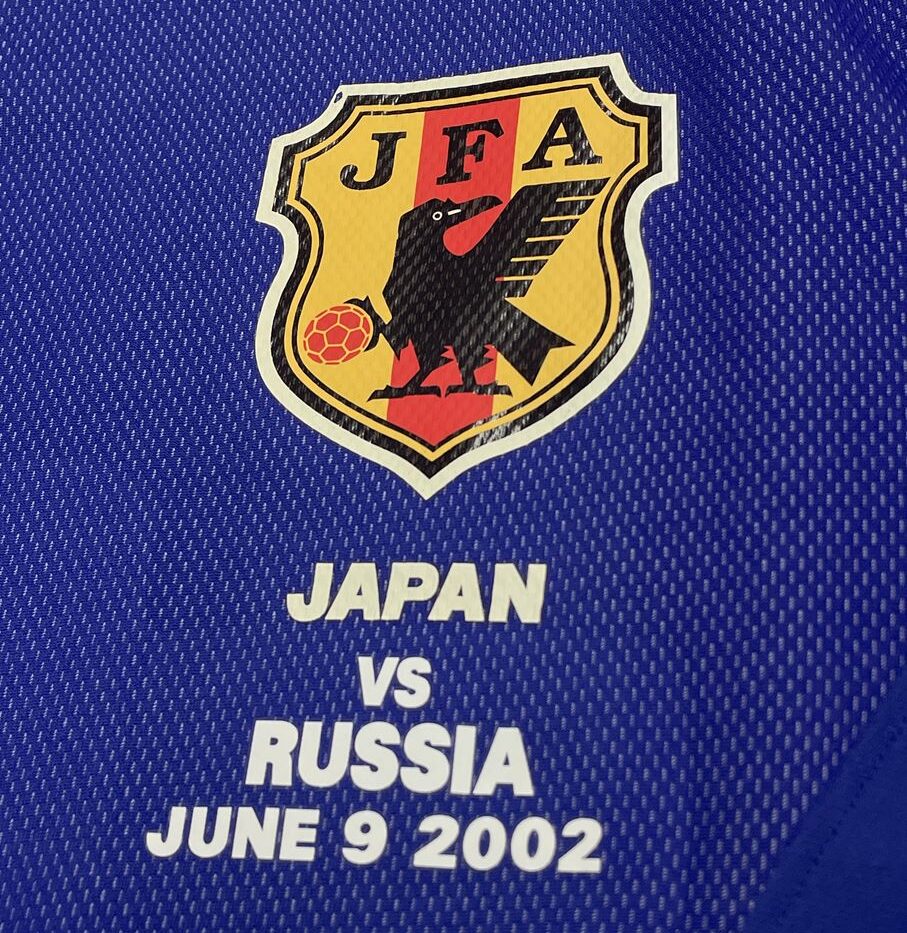
It was a particularly significant fixture for Japan. Having earned their first World Cup point against Belgium, the team now had another historic milestone in sight: their first victory at the tournament.
The decisive moment came early in the second half. In the 51st minute, Junichi Inamoto reacted quickest to a rebound from Hidetoshi Nakata’s shot and scored the winning goal.
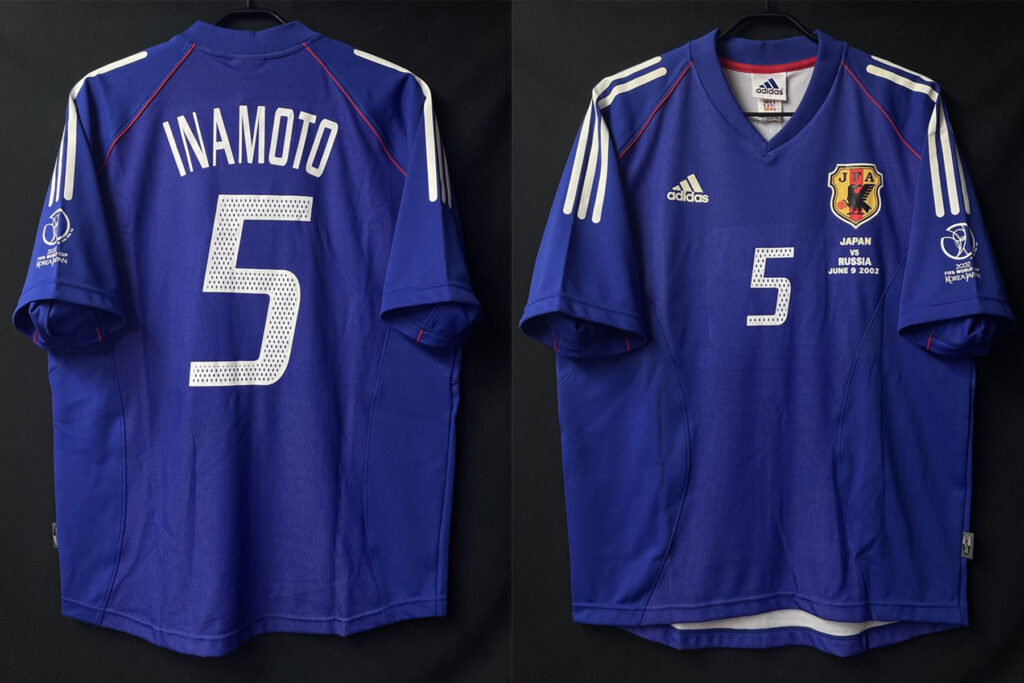
Japan defeated Russia 1-0.
It was the first-ever World Cup victory in the history of the Japan national team.
The match was broadcast live on Fuji TV’s network and recorded an average television audience rating of 66.1% in the Kanto region. At the time, this was regarded as the highest rating ever recorded for a domestic football broadcast in Japan.
Across the country, millions of people followed the match and witnessed this historic moment. Japan’s first World Cup victory was more than just a result on the pitch. It also helped fuel growing interest in football throughout the country.
Tunisia Match: Japan Reaches the World Cup Knockout Stage for the First Time
Japan’s final group-stage opponent was Tunisia. The match was played on June 14 at Nagai Stadium in Osaka.
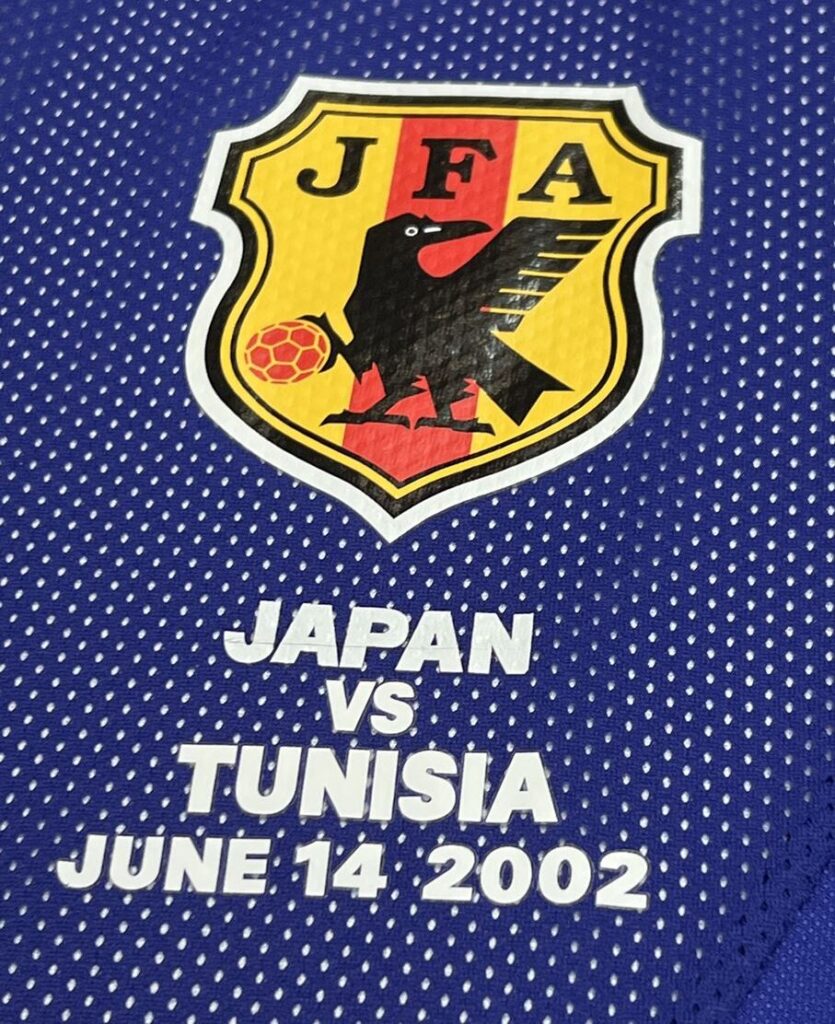
With one win and one draw from their first two matches, Japan entered the game knowing that victory would secure a place in the knockout stage.
In the second half, Hiroaki Morishima opened the scoring for Japan. Hidetoshi Nakata then added a second goal, sealing a 2-0 victory.
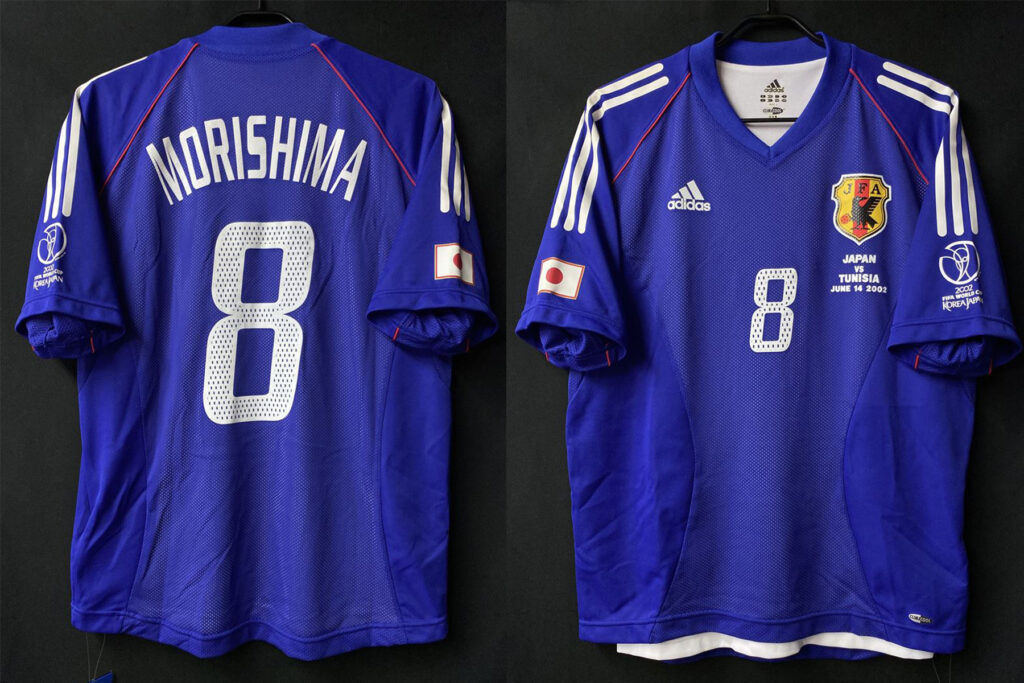
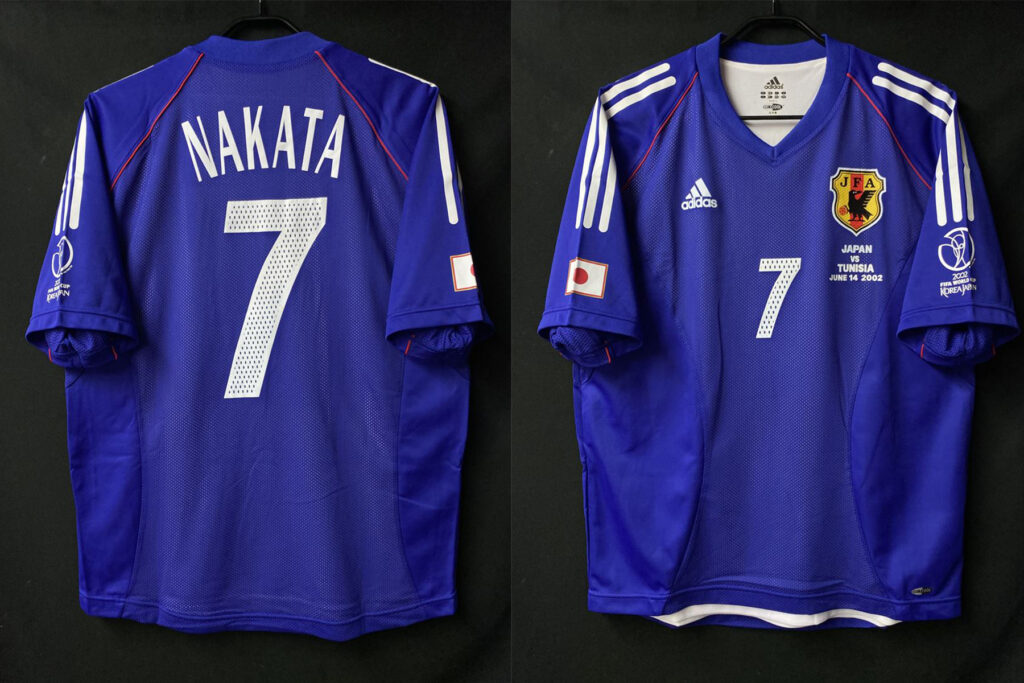
As a result, Japan finished at the top of Group H with two wins and one draw, earning seven points and reaching the World Cup knockout stage for the first time in the country’s history.
At France 1998, Japan had lost all three group matches and failed to progress. Just four years later, on home soil, they had reached the knockout stage for the first time.
Japan’s First Round of 16 Appearance: The Match Against Turkey
Japan faced Turkey in the Round of 16, marking the country’s first-ever appearance in the World Cup knockout stage.
The match took place on June 18 at Miyagi Stadium. Japan conceded an early goal to Ümit Davala in the first half and eventually lost 1-0.
Japan’s World Cup campaign came to an end in the Round of 16, but reaching the knockout stage for the first time was a significant achievement.
With their first World Cup victory and a first-place finish in the group, Japan had made an important statement on the world stage. The 2002 tournament remains a defining moment in the development of Japanese football.